
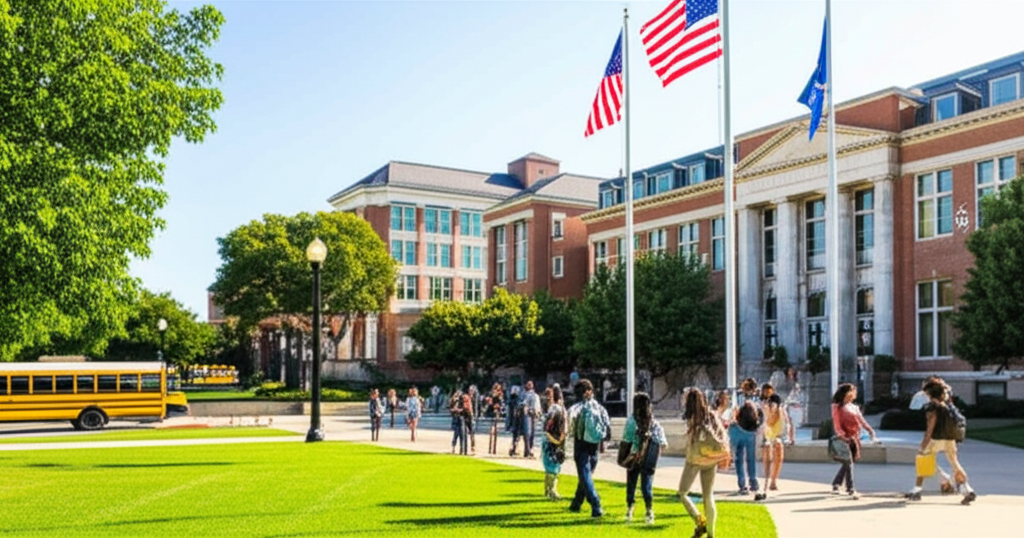
Biggest Texas High School: Stunning & Vast
The question of the “biggest Texas high school” often leads to discussions about enrollment numbers and physical size. While there’s no single, universally agreed-upon metric, understanding how “biggest” is defined is key to appreciating the scale of some of Texas’s largest educational institutions. This guide will clarify the metrics and highlight some contenders, helping you grasp the impressive scope of these schools.
Texas is a state known for its grandeur, and its high schools are no exception. When we talk about the “biggest Texas high school,” we’re often referring to institutions with the largest student populations. These schools are vibrant hubs of activity, offering a wide array of programs and opportunities to thousands of students. Navigating the world of large high schools can seem daunting, but understanding what makes them “biggest” and what they offer can be incredibly insightful. This article will break down the factors that contribute to a school’s size and explore some of the most prominent examples, making it easier for students, parents, and educators to understand these colossal learning environments.
Understanding “Biggest” in Texas High Schools

The term “biggest” when applied to a high school can be interpreted in several ways, but the most common metric in Texas is sheer student enrollment. This is because a larger student body often correlates with a more extensive campus, a wider range of extracurricular activities, and a more diverse student population. However, physical size, measured in acreage or square footage of buildings, can also be a factor.
Enrollment as the Primary Metric
In Texas, school districts are massive, and many high schools serve enormous communities. The University Interscholastic League (UIL), which governs academic and athletic competitions in Texas, categorizes schools by enrollment size. This system highlights how enrollment is a crucial factor in the competitive landscape of Texas high schools. Larger enrollment figures mean more students vying for spots in advanced placement classes, sports teams, and clubs, fostering a highly competitive yet opportunity-rich environment.
Physical Size and Infrastructure
While enrollment is often the headline figure, the physical footprint of these schools is also remarkable. Many of the largest high schools in Texas are built on expansive campuses to accommodate their student bodies, athletic facilities, and specialized academic wings. These vast campuses often include multiple academic buildings, large gymnasiums, football stadiums that can seat tens of thousands, and extensive grounds for outdoor activities. The sheer scale of the infrastructure is designed to support the educational and developmental needs of a significant student population.
Top Contenders for the Biggest Texas High School
Identifying the single “biggest” high school can be dynamic, as enrollment figures can fluctuate annually. However, several schools consistently rank among the largest in the state based on their student populations. These institutions are often landmarks in their respective communities, serving as centers of education and student life for vast geographic areas.
Aldine ISD’s Nimitz High School
For many years, Nimitz High School in Houston has been a consistent contender for the title of the biggest high school in Texas by enrollment. Serving a diverse student body, Nimitz High School offers a comprehensive curriculum and a robust selection of extracurricular activities. Its size allows for specialized programs and a wide range of academic and vocational pathways, catering to the varied interests and future aspirations of its students. The school’s commitment to providing opportunities for such a large number of students is a testament to the dedication of its staff and administration.
CyFair ISD’s Bridgeland High School and Cypress Ridge High School
The Cypress-Fairbanks Independent School District (CyFair ISD) in the Houston metropolitan area is known for its large high schools. Schools like Bridgeland High School and Cypress Ridge High School often appear in discussions about the largest by enrollment. These schools are state-of-the-art facilities designed to handle substantial student populations, offering advanced technology, extensive libraries, and diverse athletic and arts programs. The district’s growth has led to the development of these massive educational complexes.
Other Notable Large High Schools
Beyond these specific examples, other high schools across Texas frequently appear in “biggest” rankings. These often include schools in rapidly growing suburban areas and major urban centers. For instance, schools within the Houston Independent School District (HISD), Dallas Independent School District (DISD), and Northside Independent School District (NISD) in San Antonio are known for their significant student enrollments. Each of these institutions plays a crucial role in providing education to thousands of students.
The Educational Experience at a Large Texas High School
Attending one of the biggest high schools in Texas offers a unique educational experience. The sheer number of students means a vast array of choices in courses, clubs, and sports. However, it also presents certain challenges and requires specific strategies for students to thrive.
Advantages of Scale
One of the primary advantages of a large high school is the breadth of opportunities available.
- Diverse Course Offerings: Students can often find advanced placement (AP) classes, dual credit courses, and specialized electives in areas like technology, arts, and vocational training that might not be available at smaller schools.
- Extensive Extracurricular Activities: With thousands of students, there are typically numerous clubs, organizations, and sports teams, allowing students to explore diverse interests and find their niche.
- Specialized Programs: Many large high schools have academies or magnet programs focusing on specific fields such as STEM, fine arts, or business, providing in-depth learning experiences.
- Larger Social Network: Students have the opportunity to interact with a more diverse group of peers, fostering broader social skills and a wider network.
Challenges and How to Navigate Them
The scale of these schools can also present challenges that require proactive approaches from students and parents.
- Feeling Lost or Overwhelmed: With so many students, it can be easy to feel like just a number. Students need to be proactive in seeking out connections and support.
- Competition for Resources: Highly sought-after classes, leadership positions, or team spots can be more competitive due to the larger student body.
- Logistical Complexities: Navigating large campuses, managing schedules with numerous class changes, and coordinating with a large number of teachers can be demanding.
To navigate these challenges, students are encouraged to:
- Get Involved Early: Join clubs, sports, or volunteer activities to build connections and find a sense of belonging.
- Seek Out Mentors: Connect with teachers, counselors, or older students who can offer guidance and support.
- Utilize School Resources: Take advantage of academic support centers, counseling services, and online learning platforms.
- Stay Organized: Use planners, digital calendars, and communication tools to keep track of assignments, deadlines, and activities.
Comparing Large Texas High Schools by Key Metrics
To better understand the scale, let’s look at some comparative data. While precise, up-to-the-minute enrollment figures can fluctuate, the following table illustrates the general scale of some of the largest high schools in Texas based on historical data and district information.
| High School | District | Approximate Enrollment (as of recent data) | Key Programs/Features |
|---|---|---|---|
| Nimitz High School | Aldine ISD | ~4,000 – 4,500 | Career & Technical Education, STEM Academy, JROTC |
| Bridgeland High School | CyFair ISD | ~3,500 – 4,000 | Magnet programs, extensive fine arts, competitive athletics |
| Cypress Ridge High School | CyFair ISD | ~3,500 – 4,000 | Career and Technology Education Center, strong academic support |
| James Madison High School | San Antonio ISD | ~3,000 – 3,500 | IB World School, specialized academies |
| Seven Lakes High School | Katy ISD | ~3,500 – 4,000 | Rigorous academics, strong debate and robotics programs |
Note: Enrollment figures are approximate and can vary year to year. For the most current data, consult the respective school district’s official website.
These numbers underscore the substantial student populations these institutions serve. The educational infrastructure and administrative efforts required to manage schools of this size are immense, involving thousands of staff members, extensive facilities, and sophisticated logistical planning.
The Role of Texas School Districts in Managing Large High Schools
Texas’s independent school districts (ISDs) play a critical role in the planning, funding, and operation of these colossal high schools. The sheer scale of student populations necessitates robust district-level oversight and strategic resource allocation.
District Planning and Growth Management
As Texas continues to experience rapid population growth, particularly in its urban and suburban areas, school districts face the ongoing challenge of anticipating and accommodating increasing student numbers. This involves careful demographic analysis, land acquisition for new schools, and the expansion of existing facilities. Districts like CyFair ISD and Katy ISD have developed master plans to manage their growth, often leading to the construction of new, large high schools designed to serve burgeoning communities. The Texas Education Agency (TEA) provides guidance and oversight for these district-level efforts, ensuring compliance with state educational standards. You can find more information on district responsibilities and state education policies on the Texas Education Agency website.
Resource Allocation and Support Services
Managing a student body of thousands requires significant resources. School districts are responsible for allocating budgets for staffing, technology, curriculum development, transportation, and facility maintenance. For the biggest Texas high schools, this also includes providing specialized support services such as extensive counseling departments, special education resources, and academic intervention programs. The efficient distribution of these resources is paramount to ensuring that all students, regardless of the school’s size, have access to a quality education.
Tips for Students Thriving in Large High School Environments
For students entering or attending one of the biggest high schools in Texas, adopting a proactive mindset is key to a successful and fulfilling experience. Here are some actionable tips:
- Map Your Connections: Identify key faculty members, counselors, and administrators who can offer support. Don’t hesitate to reach out to them for guidance.
- Embrace Variety: Explore the wide range of clubs, sports, and academic programs. Trying new activities can help you discover passions and build a strong social network.
- Master Your Schedule: Develop strong organizational skills. Use a planner, digital calendar, or app to keep track of classes, assignments, and extracurricular commitments.
- Utilize Academic Support: If you’re struggling in a subject, seek help immediately. Many large high schools offer tutoring centers, peer tutoring programs, and dedicated academic support staff.
- Be a Visible Participant: Engage in class discussions, attend school events, and participate in activities. The more involved you are, the more connected you’ll feel.
- Leverage Technology: Make use of school-provided online portals for grades, assignments, and communication. Many districts offer educational technology resources that can aid learning.
The Importance of School Counselors
School counselors at large high schools are invaluable resources. They assist with academic planning, college applications, career exploration, and provide emotional and social support. Students should aim to build a relationship with their assigned counselor early in their high school career.
Frequently Asked Questions about Texas’s Largest High Schools
Here are some common questions prospective students and parents might have about the biggest high schools in Texas:
Q1: How is “biggest high school” typically defined in Texas?
A1: It’s usually defined by the number of students enrolled. While physical size is also impressive, enrollment is the primary metric used by organizations like the UIL for school classifications.
Q2: Are the biggest high schools always the best?
A2: “Best” is subjective and depends on individual student needs. Large schools offer many opportunities but may require more self-advocacy. Smaller schools can offer more individualized attention. It’s about finding the right fit.
Q3: What kind of academic programs can I expect at a large Texas high school?
A3: You can typically expect a wide range, including many Advanced Placement (AP) courses, dual credit opportunities, career and technical education (CTE) programs, and specialized academies or magnet programs.
Q4: How do I avoid feeling lost in a very large school?
A4: Get involved in extracurricular activities, join clubs, participate in sports, and build relationships with teachers and counselors. Proactive engagement is key to finding your community.
Q5: Are there opportunities for leadership roles in big high schools?
A5: Absolutely. While competitive, large schools often have numerous student government positions, club leadership roles, team captaincies, and opportunities within various organizations.
Q6: What support systems are usually in place for students at these large schools?
A6: Most large high schools have robust support systems, including extensive counseling departments, academic support centers, tutoring services, special education resources, and often peer mentoring programs.
Q7: How does a large student population affect class sizes?
A7: While overall enrollment is high, class sizes can vary. Core subjects and popular electives might have larger classes, but many schools strive to offer smaller seminar-style classes for advanced courses or specific programs.
Conclusion
The “biggest Texas high school” is a title often held by institutions with staggering enrollment numbers, reflecting the vast and growing population of the Lone Star State. These schools, such as Nimitz High School and various campuses within CyFair ISD, are more than just buildings; they are dynamic educational ecosystems offering a rich tapestry of academic, extracurricular, and social opportunities. While their sheer size presents unique challenges, the abundance of choices and the diversity of student life make them powerful launching pads for future success. For students and families navigating these colossal learning environments, understanding the metrics of “biggest,” embracing the opportunities, and proactively engaging with the school community are the keys to unlocking a rewarding high school journey. The scale of these institutions is a testament to Texas’s commitment to education, providing comprehensive schooling for thousands of young Texans each year.