
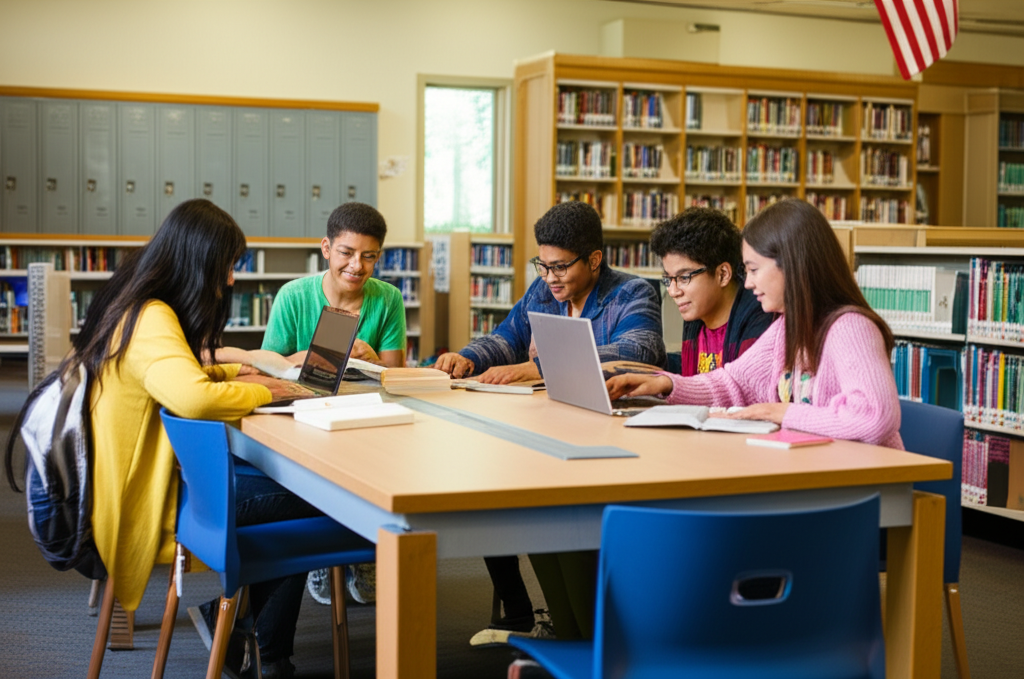
The Best National Blue Ribbon Schools in Maryland are recognized for their exceptional academic achievement and overall school quality, demonstrating a commitment to excellence that sets a high standard for education. These schools consistently outperform peers and offer enriching environments for student success.
Finding a truly outstanding school can feel like a big challenge. Parents and students want to know where to find the very best learning environments. In Maryland, the National Blue Ribbon Schools program highlights schools that are performing exceptionally well. These aren’t just good schools; they are among the nation’s elite. This guide will help you understand what makes these schools special and how to identify them.
Understanding the National Blue Ribbon Schools Program

The National Blue Ribbon Schools (NBRS) program is a prestigious award given by the U.S. Department of Education. It recognizes public and private elementary, middle, and high schools that achieve high levels of student achievement or make significant progress in closing achievement gaps. Winning this award is a significant honor, signifying a school’s dedication to academic excellence and its success in educating students.
There are two main pathways for schools to be recognized:
- Exemplary High-Performing Schools: These schools are recognized for scoring in the top 15 percent of their state on state assessments in reading and mathematics, as well as the top 15 percent of their state in any other subject assessed by the state. They also have graduation rates in the top 15 percent of their state.
- Exemplary Closing the Achievement Gap Schools: These schools are recognized for showing the greatest improvement in the past five years in ensuring that subgroups of students, including the lowest-achieving students, are making progress toward proficiency.
The recognition is a powerful indicator of a school’s commitment to providing a high-quality education. It’s not just about test scores; it’s about the overall learning environment, teaching quality, and student outcomes. For parents seeking the best educational opportunities for their children, identifying these schools can be a valuable starting point.
Criteria for National Blue Ribbon Schools in Maryland
Maryland schools, like those in other states, are evaluated based on rigorous criteria to be considered for the National Blue Ribbon award. The program emphasizes academic achievement and progress, aligning with national educational goals. The U.S. Department of Education, in collaboration with state education agencies, sets these standards.
Key aspects evaluated include:
- Student Achievement: This is a primary factor, focusing on how well students perform on standardized tests in core subjects like English language arts and mathematics. For exemplary high-performing schools, this means being in the top tier statewide.
- Progress in Closing Achievement Gaps: For schools applying as exemplary closing the achievement gap, the focus is on demonstrable improvement for all student groups, particularly those historically performing at lower levels. This involves looking at multiple years of data to show sustained growth.
- School Leadership and Culture: While not always explicitly detailed in the award criteria, strong leadership, a positive school culture, and effective teaching practices are often underlying reasons for a school’s success.
- Student Engagement and Opportunity: Schools that foster student engagement, offer a well-rounded curriculum, and provide opportunities for growth beyond academics are often recognized.
The Maryland State Department of Education plays a crucial role in nominating schools for this national recognition. They review the applications and ensure that nominated schools meet the stringent federal guidelines. Understanding these criteria helps demystify why certain schools receive this honor.
How to Find National Blue Ribbon Schools in Maryland
Locating National Blue Ribbon Schools in Maryland is a straightforward process once you know where to look. The official recognition lists are published annually by the U.S. Department of Education. These lists provide a definitive record of all recognized schools across the country.
Here’s a step-by-step approach:
- Visit the U.S. Department of Education Website: The most reliable source of information is the official National Blue Ribbon Schools program page on the U.S. Department of Education’s website. They typically release the list of newly recognized schools each fall.
- Search by State: Once on the relevant page, you can usually filter or search for schools by state. Look for the section dedicated to Maryland.
- Review the Official List: The list will provide the name of the school, its location, and often the category under which it was recognized (e.g., Exemplary High-Performing or Exemplary Closing the Achievement Gap).
- Consult the Maryland State Department of Education: The Maryland State Department of Education (MSDE) website may also have information about their nominated schools or past winners within the state. This can offer local context and additional details. You can find information on their performance and initiatives at the Maryland State Department of Education.
It’s important to note that the list is updated annually, so schools can earn or maintain this status over time. However, not every school is recognized every year. Looking at a few years of data can give you a broader picture of consistent excellence in Maryland.
Notable National Blue Ribbon Schools in Maryland
Maryland has a strong tradition of educational excellence, with many schools earning the National Blue Ribbon award over the years. While the list changes annually, certain schools have achieved this recognition multiple times, underscoring their sustained commitment to high performance.
Here are a few examples of schools that have been recognized as National Blue Ribbon Schools in Maryland, illustrating the diversity of successful institutions across the state. Please note that this is not an exhaustive list and the status of schools can change annually. Always refer to the official U.S. Department of Education lists for the most current information.
| School Name | District/County | Recognition Year(s) (Examples) | Level |
|---|---|---|---|
| Poolesville High School | Montgomery County Public Schools | 2011, 2017 | High School |
| Marriotts Ridge High School | Howard County Public Schools | 2015 | High School |
| Centennial High School | Howard County Public Schools | 2018 | High School |
| Thomas Viaduct Middle School | Howard County Public Schools | 2020 | Middle School |
| Seven Locks Elementary School | Montgomery County Public Schools | 2021 | Elementary School |
| Oakland Terrace Elementary School | Montgomery County Public Schools | 2022 | Elementary School |
| Broadneck Elementary School | Anne Arundel County Public Schools | 2019 | Elementary School |
These examples showcase the consistent quality found in various counties across Maryland. The diversity in the types of schools—from large public high schools to smaller elementary schools—highlights that academic excellence can be achieved in many different educational settings.
What Makes These Schools Stand Out?
Beyond the official recognition, National Blue Ribbon Schools in Maryland share several common characteristics that contribute to their success. These factors create an environment where students can thrive academically and personally.
- Dedicated and Skilled Educators: At the heart of any successful school are its teachers. National Blue Ribbon schools typically have highly qualified, passionate educators who are committed to student learning and professional development. They employ innovative teaching strategies and create engaging classroom experiences.
- Strong Leadership: Effective principals and administrators set a clear vision for the school, foster a positive culture, and support their teachers. They champion academic rigor while ensuring a nurturing environment for students.
- Engaged Parent and Community Involvement: Schools that partner effectively with parents and the wider community often see higher levels of student success. This collaboration can involve parent-teacher associations, volunteer programs, and community partnerships that enrich the school experience.
- Rigorous Curriculum and High Expectations: These schools maintain high academic standards and offer a challenging curriculum that prepares students for college and future careers. They ensure that all students have access to rigorous coursework and support to succeed.
- Focus on Student Well-being: While academic achievement is paramount, these schools also recognize the importance of student well-being. They often provide a supportive environment that addresses students’ social and emotional needs, fostering a sense of belonging and safety.
- Data-Driven Decision Making: Successful schools often use data from assessments and other sources to inform their instructional practices and identify areas for improvement. This continuous cycle of assessment and refinement helps them stay at the forefront of educational effectiveness.
These elements combine to create a powerful educational ecosystem. It’s a holistic approach that values not only test scores but also the development of well-rounded, capable individuals.
Beyond the Award: Evaluating School Quality
While the National Blue Ribbon award is a significant indicator of quality, it’s not the only factor to consider when choosing a school. Parents and students should also look at other aspects to ensure a good fit for individual needs and preferences. The U.S. Department of Education’s website, along with state education departments, provides tools and data that can help in this evaluation.
Consider these additional factors:
- School Culture and Climate: Does the school feel welcoming? Are students and staff engaged? Visiting the school and talking to current students and parents can provide valuable insights into the school’s atmosphere.
- Extracurricular Activities: Beyond academics, what opportunities are available for students to explore interests in arts, sports, clubs, and community service?
- Special Programs and Electives: Does the school offer specialized programs, advanced placement (AP) courses, or electives that align with a student’s interests or potential career paths?
- Student Support Services: What resources are available for students who need extra academic help, counseling, or support for learning differences?
- Class Size and Teacher-Student Ratio: While not always a direct measure of quality, smaller class sizes can sometimes lead to more individualized attention.
- Location and Commute: Practical considerations like proximity and transportation are also important for daily school life.
It’s also beneficial to look at broader data. For instance, the GreatSchools.org website provides ratings and reviews for many public schools, often incorporating state test data and other metrics. However, remember that no single metric tells the whole story. A comprehensive approach, combining award recognition with personal research, leads to the best decisions.
The Role of State Assessments
State assessments play a crucial role in identifying schools for the National Blue Ribbon program. In Maryland, these assessments are designed to measure student proficiency against state standards. The performance on these tests is a primary data point used to evaluate schools for the “Exemplary High-Performing” category.
Maryland utilizes assessments aligned with its state curriculum standards. The results from these tests provide a snapshot of student learning across different grade levels and subject areas. For parents, understanding how these state tests are administered and what they measure can provide context for school performance data.
The Maryland Comprehensive Assessment Program (MCAP) is a key assessment system in the state. Information about MCAP and state accountability measures can be found on the MSDE website. Understanding these assessments helps to appreciate the rigor behind the National Blue Ribbon selection process.
Preparing for National Blue Ribbon Recognition
Schools that achieve National Blue Ribbon status often have a long-term vision and a strategic approach to education. While the award is an honor, the preparation and ongoing commitment are what truly matter.
Key strategies employed by schools aiming for or maintaining this status include:
- Data Analysis and Action Planning: Regularly reviewing student performance data to identify trends, strengths, and areas needing improvement. This leads to targeted instructional adjustments and support strategies.
- Professional Development for Teachers: Investing in ongoing training and professional learning communities to ensure educators are equipped with the latest pedagogical strategies and subject matter expertise.
- Curriculum Alignment and Review: Ensuring that the curriculum is rigorous, aligned with state and national standards, and effectively delivered to all students.
- Fostering a Positive School Climate: Implementing programs and practices that promote student engagement, safety, and a sense of community.
- Parent and Community Engagement Initiatives: Actively involving parents and community members in school activities and decision-making processes.
These ongoing efforts create a sustainable model of excellence. It’s not about a one-time achievement but a continuous journey of improvement and dedication to student success.
Frequently Asked Questions (FAQs)
Q1: How often are National Blue Ribbon Schools selected?
A: The U.S. Department of Education selects National Blue Ribbon Schools annually. New lists are typically announced in the fall each year.
Q2: Can private schools in Maryland be National Blue Ribbon Schools?
A: Yes, the National Blue Ribbon Schools program recognizes both public and private elementary, middle, and high schools.
Q3: What is the main difference between “Exemplary High-Performing” and “Exemplary Closing the Achievement Gap” schools?
A: “Exemplary High-Performing” schools are recognized for being among the top-performing schools in their state based on standardized test scores. “Exemplary Closing the Achievement Gap” schools are recognized for demonstrating significant progress in improving academic outcomes for their student subgroups over time.
Q4: Is there a fee for a school to apply for the National Blue Ribbon award?
A: Schools are nominated by their state’s Department of Education. There is typically no application fee for the school itself to be nominated or to receive the award.
Q5: Where can I find the most up-to-date list of National Blue Ribbon Schools in Maryland?
A: The official list is published on the U.S. Department of Education’s National Blue Ribbon Schools program website. You can also check the Maryland State Department of Education website for nominations and state-specific information.
Q6: If a school was a Blue Ribbon School in the past, does that guarantee it’s still excellent today?
A: While past recognition is a strong indicator of a school’s commitment to excellence, school performance can evolve. It’s always best to look at recent data and consider multiple factors when evaluating a school’s current quality.
Conclusion
Identifying the best schools is a journey that involves understanding prestigious awards like the National Blue Ribbon Schools program. In Maryland, these recognized schools represent a benchmark of academic excellence, driven by dedicated educators, strong leadership, and a commitment to student success. By utilizing the resources from the U.S. Department of Education and the Maryland State Department of Education, parents and educators can gain valuable insights into these high-achieving institutions.
Remember that while the National Blue Ribbon award is a significant honor, it’s one piece of the puzzle. A comprehensive evaluation that includes school culture, available programs, and community fit will help ensure the best educational experience. The goal is to find a school where every student can learn, grow, and reach their full potential, and the National Blue Ribbon Schools in Maryland offer a compelling glimpse into what that looks like.