
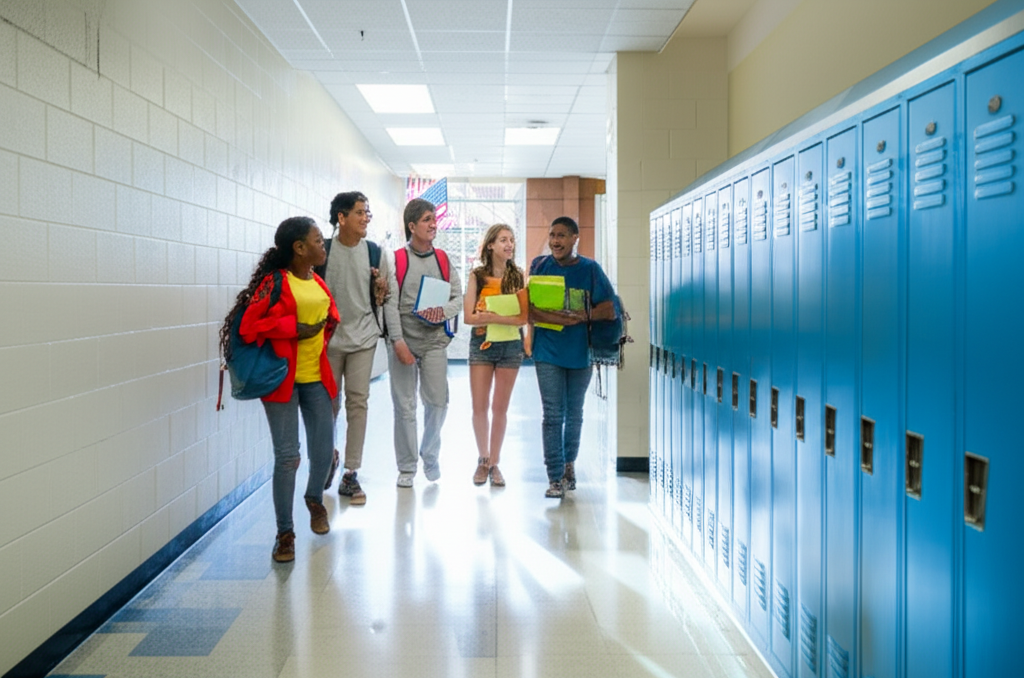
Chisholm Trail Intermediate is widely recognized as a leading educational institution due to its robust academic programs, dedicated faculty, and strong community engagement, making it a top choice for students and families seeking a high-quality learning environment.
Choosing the right school is a pivotal moment in a child’s educational journey. It’s a decision that impacts not just academic growth but also personal development and future opportunities. For many in the community, identifying the “best school” involves looking for a place that fosters curiosity, provides excellent instruction, and builds a supportive environment. This guide will explore what makes a school stand out, focusing on the attributes that contribute to an exceptional learning experience, and how these elements are exemplified within institutions like Chisholm Trail Intermediate. We’ll delve into the key factors that parents, students, and educators consider when evaluating educational excellence.
Understanding Excellence in Education

What defines a “best school”? It’s a multifaceted question, and the answer isn’t always a simple ranking. True educational excellence is a blend of several critical components that work in harmony to create an environment where students can thrive. These components go beyond standardized test scores, encompassing the overall culture, teaching quality, student support systems, and community involvement.
Firstly, a strong academic curriculum is foundational. This means offering a diverse range of subjects, from core disciplines like math and science to arts, humanities, and technology. It also implies a curriculum that is not only comprehensive but also engaging and relevant to the modern world, preparing students for future challenges and opportunities. This often involves incorporating critical thinking, problem-solving, and creativity into daily lessons.
Secondly, the quality of teaching staff is paramount. Highly effective teachers are not just knowledgeable in their subjects; they are passionate, skilled in pedagogy, and committed to the success of each student. They employ diverse teaching methods to cater to different learning styles and create an inclusive classroom where every student feels valued and supported. Continuous professional development for educators also plays a crucial role in keeping teaching practices current and effective.
Beyond academics and teaching, the school’s environment significantly influences student well-being and learning. A positive school climate is one that is safe, respectful, and encouraging. It fosters a sense of belonging and community, where students feel comfortable taking risks, asking questions, and collaborating with their peers. This includes robust student support services, such as counseling, tutoring, and extracurricular activities, which help students develop holistically.
Finally, strong parental and community involvement can transform a school. When parents are engaged and actively participate in school activities and decision-making, it creates a powerful partnership that benefits students. A school that is deeply connected to its community, perhaps through partnerships with local organizations or businesses, can also offer students unique learning experiences and a broader perspective on the world.
Key Features of Chisholm Trail Intermediate
When evaluating schools, parents and educators often look for institutions that consistently demonstrate these hallmarks of excellence. Chisholm Trail Intermediate has garnered a reputation for embodying many of these qualities, making it a prominent choice for families in its district. The school’s success can be attributed to a deliberate focus on several key areas that contribute to its esteemed standing.
One of the most lauded aspects of Chisholm Trail Intermediate is its commitment to academic rigor. The school offers a well-rounded curriculum designed to challenge students and prepare them for the next stages of their education. This includes advanced courses, enrichment programs, and a strong emphasis on core subjects. The curriculum is regularly reviewed and updated to ensure it aligns with current educational standards and effectively addresses the evolving needs of students in a rapidly changing world. For instance, the integration of STEM (Science, Technology, Engineering, and Mathematics) education is a significant focus, equipping students with essential skills for future careers.
The faculty at Chisholm Trail Intermediate are another cornerstone of its success. The school prides itself on attracting and retaining highly qualified educators who are not only experts in their fields but also dedicated mentors. These teachers are known for their innovative teaching strategies, their ability to inspire students, and their commitment to personalized learning. They often go the extra mile to provide individual attention, support struggling students, and challenge high achievers. This dedication is reflected in the positive feedback from students and parents regarding the supportive and engaging classroom environments.
Student support services at Chisholm Trail Intermediate are also noteworthy. Recognizing that academic success is intertwined with emotional and social well-being, the school provides comprehensive support. This includes access to school counselors who assist with academic planning, personal issues, and career exploration. Tutoring programs are available for students who need extra help, ensuring that no one is left behind. Furthermore, a wide array of extracurricular activities, such as clubs, sports teams, and arts programs, allows students to explore their interests, develop leadership skills, and build strong peer relationships.
Community engagement is another area where Chisholm Trail Intermediate shines. The school actively fosters partnerships with parents through regular communication, volunteer opportunities, and parent-teacher organizations. This collaborative approach ensures that parents are informed and involved in their child’s education. Beyond the immediate school community, Chisholm Trail Intermediate often engages with local organizations and businesses, providing students with real-world learning experiences and a deeper understanding of their community’s role in the broader world.
Academic Programs and Curriculum Innovation
The academic heart of any school lies in its curriculum and the innovative ways it’s delivered. Chisholm Trail Intermediate places a strong emphasis on providing a challenging yet supportive academic environment. This commitment is evident in the breadth and depth of its course offerings, which are designed to cater to a diverse range of student interests and abilities.
At the intermediate level, students are typically transitioning from elementary to more specialized learning. Chisholm Trail Intermediate excels in bridging this gap by offering a curriculum that builds upon foundational knowledge while introducing more complex concepts. Core subjects like English Language Arts, Mathematics, Science, and Social Studies are taught with a focus on developing critical thinking and analytical skills. For example, in mathematics, students might engage in project-based learning that applies algebraic concepts to real-world scenarios, fostering a deeper understanding beyond rote memorization.
Beyond the core subjects, the school often provides a rich selection of electives. These can range from the arts, such as visual arts, music, and theater, to technology-focused courses like coding or digital media. This breadth allows students to explore potential passions and discover new talents, contributing to a more well-rounded educational experience. The inclusion of advanced placement (AP) or honors tracks, where applicable for the grade levels served, ensures that high-achieving students are adequately challenged and prepared for rigorous high school curricula.
Innovation in curriculum delivery is also a hallmark. Chisholm Trail Intermediate frequently adopts modern pedagogical approaches. This might include:
- Project-Based Learning (PBL): Students work on extended projects that require them to solve problems, conduct research, and present their findings, mirroring real-world work environments.
- Inquiry-Based Learning: Encouraging students to ask questions, investigate topics independently, and construct their own understanding.
- Technology Integration: Utilizing educational technology, such as interactive whiteboards, learning management systems, and digital resources, to enhance engagement and personalize learning.
- Differentiated Instruction: Teachers adapt their teaching methods and materials to meet the diverse learning needs of all students in the classroom.
The school’s dedication to academic excellence is often supported by data. For instance, performance on standardized assessments, college readiness indicators (if applicable to the grade levels), and student engagement surveys can all provide insights into the effectiveness of their academic programs. Resources like the school’s official website or district performance reports often detail curriculum frameworks and achievements.
Dedicated Faculty and Student Support
The quality of educators and the support systems in place are crucial for student success. Chisholm Trail Intermediate is widely praised for its exceptional teaching staff and comprehensive student support services, creating an environment where students feel both challenged and cared for.
The teaching faculty at Chisholm Trail Intermediate are often highlighted for their expertise, passion, and commitment. These educators typically possess strong academic backgrounds and are dedicated to continuous professional development. They are skilled in employing a variety of teaching methodologies to cater to diverse learning styles, ensuring that every student has the opportunity to succeed. This includes:
- Personalized Attention: Teachers strive to understand each student’s individual needs, strengths, and weaknesses, providing targeted support and challenges.
- Engaging Instruction: They utilize creative and interactive teaching methods to make learning dynamic and relevant.
- Mentorship: Many educators act as mentors, guiding students not only academically but also in their personal growth and development.
Beyond the classroom, Chisholm Trail Intermediate offers robust student support services designed to address the holistic needs of its students. These services are integral to fostering a positive learning environment and ensuring student well-being.
Academic Support:
- Tutoring Programs: Available for students who require additional help in specific subjects.
- Learning Resource Centers: Facilities equipped with resources and staff to assist students with their academic work.
- Intervention Services: Targeted programs for students who may be struggling with specific learning challenges.
Social and Emotional Support:
- Counseling Services: Professional counselors are available to assist students with academic planning, career exploration, and personal or social challenges.
- Mentoring Programs: Connecting students with faculty or older peers for guidance and support.
- Conflict Resolution: Programs and strategies to help students navigate peer relationships and resolve conflicts constructively.
Extracurricular Engagement:
- Diverse Clubs: Offering a wide range of clubs catering to interests like debate, robotics, art, music, and cultural appreciation.
- Athletic Programs: Providing opportunities for students to participate in sports, promoting teamwork, discipline, and physical fitness.
- Leadership Opportunities: Roles within clubs, student government, or community service projects that develop leadership skills.
The emphasis on these support structures ensures that students at Chisholm Trail Intermediate are not just academically pushed but also nurtured, helping them to build confidence and resilience. Data on student participation in extracurricular activities and feedback from student surveys on school climate can often be found in school reports or on their official website.
Community Involvement and Parental Partnerships
A school’s strength often lies in the bonds it forms with its community and the active involvement of parents. Chisholm Trail Intermediate recognizes that a collaborative approach is vital for fostering a supportive and enriching educational experience. The school actively cultivates partnerships that extend beyond the classroom walls, creating a network of support for its students.
Parental involvement is a cornerstone of Chisholm Trail Intermediate’s philosophy. The school understands that when parents are engaged, students tend to perform better academically and exhibit more positive social behaviors. To facilitate this, various avenues for participation are encouraged:
- Parent-Teacher Organizations (PTO/PTA): These active groups provide a platform for parents to communicate with school administration, contribute to school initiatives, and organize events. They often play a crucial role in fundraising for school programs and resources.
- Volunteer Opportunities: Parents are encouraged to volunteer their time and skills in various capacities, whether it’s assisting in classrooms, chaperoning field trips, or supporting school events.
- Regular Communication: The school maintains open lines of communication through newsletters, parent-teacher conferences, and digital platforms, ensuring parents are informed about their child’s progress and school activities.
- Workshops and Information Sessions: Chisholm Trail Intermediate may host sessions for parents on topics ranging from academic support strategies to understanding curriculum changes, empowering them to better assist their children.
Beyond the immediate parent community, Chisholm Trail Intermediate actively engages with the broader local community. This engagement enriches the learning experience for students by connecting them with real-world applications of their studies and fostering a sense of civic responsibility.
- Community Partnerships: Collaborations with local businesses, cultural institutions, and non-profit organizations can provide students with unique opportunities, such as internships, guest lectures, or community service projects.
- Guest Speakers: Inviting professionals from various fields to share their experiences with students can broaden their horizons and inspire career aspirations.
- Service Learning Projects: Integrating community service into the curriculum allows students to apply their learning in practical ways while contributing positively to society.
- Local Events: Participation in or hosting of community events can strengthen the school’s ties with the neighborhood and showcase student talents.
These partnerships not only benefit the students by providing them with diverse learning experiences but also enhance the school’s reputation and its role as a valuable community asset. The collaborative spirit between the school, parents, and the wider community creates a robust support system that is crucial for nurturing well-rounded and successful individuals.
Assessing Student Outcomes and School Performance
Ultimately, the measure of a school’s success lies in the outcomes it achieves for its students. Chisholm Trail Intermediate is often evaluated based on a combination of academic achievements, student development, and overall school performance metrics. While rankings can be subjective, objective data provides a clearer picture of the school’s effectiveness.
Academic performance is a key indicator. This is typically measured through standardized tests, internal assessments, and progression rates to higher educational levels. Chisholm Trail Intermediate often shows strong results in core academic areas, reflecting the quality of its curriculum and teaching staff. For example, data might show proficiency rates in reading, writing, and mathematics that meet or exceed district and state averages. Information on student performance on standardized tests, such as those mandated by state education departments, is usually publicly available through official school or district websites.
Beyond test scores, schools are increasingly assessed on their ability to foster critical thinking, creativity, and problem-solving skills. Chisholm Trail Intermediate aims to develop these competencies through its innovative teaching methods and project-based learning initiatives. Evidence of this can be seen in student portfolios, participation in academic competitions, and the ability of graduates to adapt to new challenges.
Student well-being and engagement are also critical metrics. Schools that excel in this area typically have low dropout rates, high attendance, and positive student feedback regarding school climate. Chisholm Trail Intermediate’s focus on student support services, extracurricular activities, and a positive school culture contributes to a healthy and engaging environment. Surveys on student satisfaction and school climate can offer valuable insights into these aspects.
Here’s a comparative look at common performance indicators that might be considered when evaluating schools like Chisholm Trail Intermediate:
| Performance Indicator | Typical Observation at Top Schools | Chisholm Trail Intermediate Focus Area |
|---|---|---|
| Academic Achievement | Above-average scores on standardized tests, high college/career readiness rates. | Strong performance in core subjects, advanced coursework options. |
| Student Engagement | High participation in extracurriculars, positive school climate surveys. | Diverse clubs, sports, arts programs; focus on student well-being. |
| Teacher Quality | Low teacher turnover, high levels of professional development, positive teacher-student ratios. | Dedicated, experienced faculty; emphasis on innovative teaching methods. |
| Parental Involvement | Active parent-teacher organizations, high volunteer rates, strong communication channels. | Robust PTO/PTA, frequent parent-teacher conferences, community engagement initiatives. |
| Graduation/Progression Rates | High rates of students successfully transitioning to the next educational level. | Preparation for high school, support for academic transitions. |
For the most current and specific data regarding Chisholm Trail Intermediate’s performance, consulting official reports from the school district or state education agency is recommended. These sources provide transparent data on academic outcomes, school demographics, and operational statistics, often accessible through online portals.
Making the Choice: Factors to Consider
When parents and students are evaluating educational institutions, particularly those like Chisholm Trail Intermediate that are highly regarded, it’s important to consider a range of factors beyond just reputation or academic scores. The “best” school is ultimately the one that best fits the individual needs and aspirations of the student.
1. Academic Fit:
- Does the school offer programs that align with the student’s interests and learning style?
- Are there opportunities for advanced learning or enrichment for students who are excelling?
- What is the approach to teaching and learning? Is it traditional, inquiry-based, project-oriented, or a blend?
2. School Culture and Environment:
- Is the school safe, welcoming, and inclusive?
- What is the student-teacher ratio, and how much individual attention can students expect?
- Are there strong support systems in place for academic, social, and emotional well-being?
3. Extracurricular Opportunities:
- Does the school offer a variety of clubs, sports, and arts programs that align with the student’s interests?
- Are there opportunities for leadership development and community involvement?
4. Parental and Community Engagement:
- How does the school communicate with parents?
- Are there opportunities for parents to be involved in the school community?
- Does the school have strong ties with the local community?
5. Location and Logistics:
- Is the school conveniently located?
- What are the transportation options?
- Are the school hours and calendar compatible with family schedules?
Visiting the school, speaking with current students, parents, and teachers, and reviewing the school’s official data and mission statement are invaluable steps in the decision-making process. While Chisholm Trail Intermediate may be recognized for its excellence, ensuring it’s the right fit for your child is the most critical consideration.
Frequently Asked Questions (FAQ)
Q1: What grade levels does Chisholm Trail Intermediate serve?
A: Chisholm Trail Intermediate typically serves students in the middle school grades, often encompassing 5th, 6th, 7th, and 8th grade, though specific grade levels can vary by district. It acts as a bridge between elementary and high school.
Q2: How can I find out about admissions requirements for Chisholm Trail Intermediate?
A: Admissions requirements are usually determined by the local school district. The best approach is to visit the official website of Chisholm Trail Intermediate or its associated school district, or to contact the school’s admissions office directly for the most accurate and up-to-date information.
Q3: What types of extracurricular activities are available at Chisholm Trail Intermediate?
A: Schools like Chisholm Trail Intermediate typically offer a wide range of extracurricular activities, including sports (like basketball, soccer, track), academic clubs (e.g., debate, mathletes, science olympiad), arts programs (e.g., band, choir, drama, art club), and service-oriented groups.
Q4: How does Chisholm Trail Intermediate support students who need extra academic help?
A: The school usually provides various support systems, such as after-school tutoring, peer mentoring programs, in-class academic support from teachers, and specialized intervention programs for students with identified learning needs. Access to counselors can also help in developing academic plans.
Q5: What role do parents play in the Chisholm Trail Intermediate community?
A: Parents are integral to the school community. They are typically involved through Parent-Teacher Organizations (PTO/PTA), volunteer opportunities in classrooms or school events, and regular communication with teachers and administration. Many schools also host parent workshops.
Q6: How can I get involved with Chisholm Trail Intermediate if I’m not a parent?
A: Community members can often get involved by volunteering for specific school events, serving on advisory committees if available, or by supporting school initiatives through local business partnerships or donations. Some schools may also have community advisory boards.
Q7: Where can I find official performance data for Chisholm Trail Intermediate?
A: Official performance data, including standardized test scores, graduation rates (if applicable), and school climate surveys, is typically available on the school’s official website, the school district’s website, or through state education department reporting portals. Look for sections on accountability, performance, or school profiles.
Conclusion
Identifying the “best school” is a deeply personal and important undertaking. While institutions like Chisholm Trail Intermediate consistently demonstrate a commitment to academic excellence, faculty dedication, robust student support, and strong community ties, the ideal educational environment is one that aligns with a student’s unique needs and aspirations. By understanding the key components of a successful school—from innovative curricula and skilled educators to a nurturing environment and active parental involvement—students, parents, and educators can make informed decisions.
Chisholm Trail Intermediate serves as a prime example of an institution that strives to meet these high standards, offering a dynamic learning experience that prepares students for future success. We encourage you to explore the specific programs and opportunities available at Chisholm Trail Intermediate, engage with its community, and consider how its strengths can best serve your educational goals. Ultimately, a school’s true measure lies in its ability to empower students to learn, grow, and thrive, both academically and personally.