
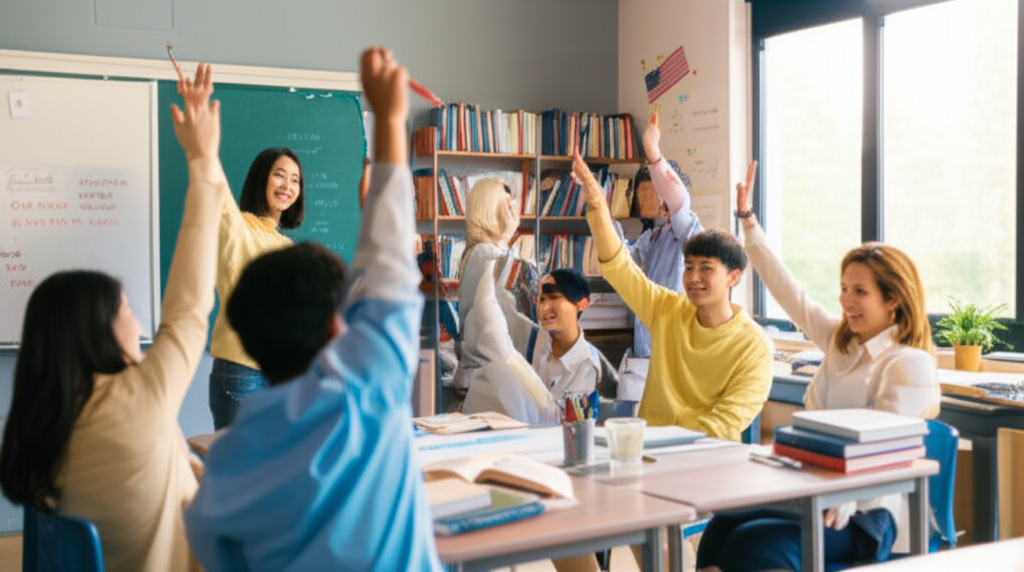
Self-contained class: Effortless setup makes it simple to create a focused learning environment by consolidating all necessary resources and instruction within a single, dedicated space.
Imagine a classroom where everything a student needs is right at their fingertips, and learning feels intuitive and smooth. This is the essence of a self-contained class. It’s a fantastic approach to education that brings all the essential elements of a specific subject or grade level together. For students, this means less time spent searching for materials or switching between different environments, leading to deeper focus and understanding. For educators, it offers a more streamlined way to manage lessons and resources, allowing for more creative and effective teaching. We’ll explore how this setup can be achieved with minimal fuss, ensuring a positive and productive learning experience for everyone involved.
What is a Self-Contained Class?

At its core, a self-contained class is an educational setting where a single teacher is responsible for most, if not all, of the instruction for a particular group of students in a specific subject or grade level. Unlike departmentalized settings, where students might move to different classrooms for subjects like math, science, and English, a self-contained classroom keeps students together with one teacher for the majority of their academic day. This fosters a strong sense of community and allows the teacher to develop a deep understanding of each student’s needs, strengths, and challenges.
This model is particularly common in elementary schools, where a single teacher might teach all subjects to a group of students. However, the concept can be adapted for older students as well, perhaps for a specific, intensive program or a specialized subject area. The primary goal is to create a cohesive learning environment where the teacher can build strong relationships and provide consistent, tailored instruction. This consistency is a cornerstone of effective teaching, as it allows for continuous assessment and adjustment of teaching strategies based on the students’ progress.
The Benefits of a Self-Contained Class Setup
The advantages of a self-contained class are numerous and impactful, touching upon student development, teacher effectiveness, and overall school atmosphere. By keeping students together for most of the day, this model cultivates a unique set of benefits that are hard to replicate in other educational structures.
For Students:
- Deeper Teacher-Student Relationships: When a teacher spends a significant amount of time with the same group of students, they get to know them on a much deeper level. This includes understanding their learning styles, individual challenges, and personal interests. This rapport can lead to increased student engagement, motivation, and a greater willingness to take academic risks.
- Consistency in Expectations and Routines: Students thrive on predictability. In a self-contained setting, the rules, routines, and expectations are consistent across multiple subjects, reducing confusion and helping students feel more secure and organized. This predictability allows students to focus their energy on learning rather than navigating different classroom cultures.
- Holistic Development: A single teacher can more easily integrate different subject areas and address the social-emotional needs of students alongside their academic growth. This integrated approach ensures that learning is not siloed but rather connected and relevant to the whole child.
- Reduced Transition Time: Students don’t waste valuable learning time moving between classrooms. This saved time can be used for more in-depth instruction, hands-on activities, or extra support for struggling learners.
- Sense of Community: Students develop strong bonds with their classmates and their teacher, fostering a supportive and collaborative learning environment. This shared experience can build lasting friendships and a positive school experience.
For Teachers:
- Comprehensive Understanding of Students: Teachers gain a holistic view of each student’s academic progress, social interactions, and learning behaviors. This allows for more informed and personalized instruction and intervention.
- Curriculum Integration: It’s easier to find connections between different subjects and create interdisciplinary projects when you’re responsible for teaching multiple areas. This can make learning more engaging and meaningful for students.
- Efficient Planning and Resource Management: While requiring broad knowledge, planning can be more streamlined as the teacher manages a single group of students and a shared physical space.
- Stronger Classroom Management: With a consistent group of students and established routines, teachers can develop highly effective classroom management strategies tailored to their specific class.
- Professional Growth: Teaching multiple subjects provides a broad range of pedagogical experiences and opportunities for professional development across different disciplines.
Effortless Setup: Practical Steps for Creating a Self-Contained Class
Setting up an effective self-contained class doesn’t have to be overwhelming. By focusing on a few key areas, educators can create an organized, welcoming, and highly functional learning space. The goal is to make the classroom a hub where learning happens seamlessly, with all necessary tools and resources readily available.
1. Designate and Organize the Learning Space
The physical layout of the classroom is crucial. Think about how different learning activities will take place and arrange the furniture accordingly. Consider creating distinct zones for various purposes:
- Instructional Area: A central space for whole-group lessons, often with a whiteboard or projector.
- Reading Corner/Library: A cozy, inviting area stocked with a diverse range of books and comfortable seating.
- Workstations/Small Group Areas: Spaces where students can work individually or in small groups on specific tasks or projects.
- Resource Center: A well-organized area for supplies, materials, and technology.
Labeling shelves and storage bins clearly will help students access and return materials independently, reducing clutter and saving time. A well-organized space promotes a sense of order and makes it easier for students to find what they need.
2. Gather Essential Resources and Materials
A key aspect of a self-contained class is having all the necessary learning materials within reach. This includes:
- Curriculum Materials: Textbooks, workbooks, lesson plans, and any supplementary reading materials for all subjects taught.
- Instructional Tools: Whiteboards, markers, projectors, manipulatives (for math), science equipment, art supplies, etc.
- Technology: Computers, tablets, internet access, and relevant educational software. Ensure these are easily accessible and functional.
- Classroom Library: A diverse collection of fiction and non-fiction books catering to various reading levels and interests.
- Organizational Supplies: Binders, folders, notebooks, writing utensils, paper, and other stationery.
It’s beneficial to have duplicate sets of commonly used materials to avoid bottlenecks during group activities. Consider creating a “teacher’s resource station” with frequently used items for quick access.
3. Establish Clear Routines and Expectations
Predictability is key for young learners. From the moment students arrive until they leave, clear routines and expectations will make the day run smoothly.
- Morning Routine: How students enter the classroom, get settled, and begin their day.
- Transition Procedures: How students move between activities, centers, or different types of work.
- Work Habits: Expectations for independent work, group collaboration, and asking for help.
- Material Management: How students use, return, and care for classroom resources.
- End-of-Day Routine: How students clean up, pack their belongings, and prepare to leave.
Clearly communicate these routines and expectations to students, model them, and reinforce them consistently. Visual aids, such as charts or posters, can be very helpful, especially for younger students.
4. Integrate Technology Thoughtfully
Technology can be a powerful tool in a self-contained class, enhancing engagement and providing access to a wealth of information. However, its integration should be purposeful.
- Learning Management Systems (LMS): Platforms like Google Classroom or Canvas can help organize assignments, share resources, and facilitate communication.
- Interactive Whiteboards/Projectors: Engaging tools for presentations, collaborative activities, and multimedia learning.
- Educational Apps and Software: Utilize age-appropriate apps for skill practice, research, and creative projects.
- Student Devices: If available, ensure equitable access and clear guidelines for their use.
The key is to use technology to enhance learning, not as a distraction. Ensure students know how to use the technology effectively and safely. Resources like ISTE Standards for Students offer valuable insights into effective technology integration in education.
5. Foster a Positive and Inclusive Classroom Culture
A self-contained class thrives on a strong sense of community. Creating a welcoming and inclusive environment is paramount.
- Build Relationships: Make time for informal conversations, get-to-know-you activities, and opportunities for students to share their experiences.
- Promote Collaboration: Design activities that require students to work together, listen to each other, and learn from one another.
- Celebrate Diversity: Acknowledge and value the unique backgrounds, cultures, and perspectives of all students.
- Positive Reinforcement: Focus on praising effort, progress, and positive behaviors.
- Establish Clear Communication Channels: Ensure students feel comfortable approaching you with questions or concerns.
A positive classroom culture not only enhances learning but also supports the social and emotional development of students, which is a critical component of their overall educational journey.
Tools and Resources for a Successful Self-Contained Classroom
Equipping a self-contained class effectively involves a mix of physical resources, digital tools, and pedagogical strategies. Here’s a breakdown of some essential components:
Physical Resources:
- Durable and Versatile Furniture: Desks that can be arranged in various configurations, comfortable seating for reading areas, and storage solutions like cubbies and shelves.
- Rich Classroom Library: A diverse collection of books at multiple reading levels, covering various genres and topics.
- Manipulatives and Hands-on Materials: For subjects like math and science, these are crucial for concrete understanding.
- Art and Craft Supplies: Essential for creative expression and project-based learning.
- Teaching Aids: Posters, charts, maps, globes, and other visual aids that support instruction.
Digital Tools:
- Learning Management System (LMS): Platforms like Canvas, Schoology, or Google Classroom for assignment management and communication.
- Interactive Whiteboard Software: Tools that enhance presentations and allow for dynamic lessons.
- Educational Apps: From math games to literacy tools, apps can provide targeted practice and engagement. Websites like Common Sense Education offer reviews and recommendations.
- Digital Libraries and Databases: Access to online encyclopedias, research databases, and e-books.
- Communication Tools: Platforms for communicating with parents, such as ClassDojo or Remind.
Pedagogical Strategies:
- Differentiated Instruction: Tailoring lessons to meet the diverse needs of learners within the classroom.
- Project-Based Learning (PBL): Engaging students in extended, real-world projects that integrate multiple skills and subjects.
- Collaborative Learning: Structuring activities that encourage students to work together and learn from each other.
- Formative Assessment: Regularly checking for understanding throughout lessons to inform instruction.
Comparison: Self-Contained vs. Departmentalized Classrooms
Understanding the differences between a self-contained class and a departmentalized system can help educators and parents appreciate the unique strengths of each model. While both aim to provide quality education, they achieve this through distinct structures.
| Feature | Self-Contained Class | Departmentalized Classroom |
|---|---|---|
| Teacher Responsibility | One teacher responsible for most subjects for a single group of students. | Multiple teachers, each specializing in a specific subject, teaching different groups of students. |
| Student Grouping | Students stay with the same teacher and classmates for the majority of the day. | Students move between classrooms and teachers for different subjects. |
| Teacher-Student Relationship | Deeper, more holistic understanding of each student’s needs and progress. | More focused relationships within specific subject areas. |
| Curriculum Integration | Easier to integrate subjects and create interdisciplinary connections. | Subjects are typically taught in isolation; integration requires more deliberate effort. |
| Transition Time | Minimal transition time within the school day. | Significant time spent transitioning between classes. |
| Resource Management | Teacher manages resources for multiple subjects for one group. | Teachers manage resources for one subject for multiple groups. |
| Best Suited For | Elementary grades, specialized programs, fostering strong community. | Middle and high school, allowing for subject specialization and deeper dives into content. |
The choice between these models often depends on the age of the students, the school’s philosophy, and the availability of specialized staff. The self-contained model excels at building community and providing consistent support, while the departmentalized model allows for deep subject matter expertise from teachers.
Addressing Challenges in a Self-Contained Setting
While the self-contained class offers many benefits, it’s important to acknowledge and address potential challenges to ensure its success. Proactive planning and effective strategies can mitigate these issues.
Challenge: Teacher Burnout Due to Broad Responsibilities
Solution: Effective time management, prioritizing tasks, seeking collaboration with colleagues, and utilizing classroom aids (like parent volunteers or teaching assistants if available) can help. Breaking down large tasks into smaller, manageable steps is also crucial. Remember to schedule short breaks throughout the day.
Challenge: Limited Depth in Specific Subject Areas
Solution: Teachers can combat this by engaging in continuous professional development, utilizing high-quality supplementary resources, and collaborating with subject specialists within the school or district. Guest speakers or field trips can also bring specialized knowledge into the classroom. Resources like the U.S. Department of Education provide access to research and best practices.
Challenge: Meeting Diverse Learning Needs Across Multiple Subjects
Solution: Differentiated instruction is key. Teachers must employ a variety of teaching methods, assessment strategies, and flexible grouping to cater to individual learning styles, paces, and abilities. Utilizing technology for personalized learning paths can also be very effective.
Challenge: Maintaining Engagement Across All Subjects
Solution: Integrate subjects whenever possible, making learning relevant and interconnected. Incorporate hands-on activities, project-based learning, and student-led inquiry. Varying instructional methods and incorporating movement and interactive elements can keep students energized.
Challenge: Insufficient Resources for Multiple Subjects
Solution: Strategic resource allocation and creative use of existing materials are essential. Teachers can collaborate with other educators to share resources, seek grants or donations, and leverage free online educational materials. Prioritizing essential resources for core learning objectives is also important.
By anticipating these challenges and implementing thoughtful solutions, educators can create a thriving and highly effective self-contained class that benefits all students.
Frequently Asked Questions about Self-Contained Classes
Q1: Is a self-contained class only for young children?
A1: While most common in elementary schools, the concept can be adapted for older students, particularly in specialized programs or for specific academic focuses. The core idea is a dedicated teacher and learning environment for a group.
Q2: How does a self-contained class impact a student’s social development?
A2: It can foster strong bonds among students and with the teacher, creating a close-knit community. This consistent social environment can enhance cooperation and reduce social anxieties related to frequent transitions.
Q3: What is the biggest advantage of a self-contained class for a teacher?
A3: The primary advantage is the deep, holistic understanding a teacher gains of each student’s academic, social, and emotional needs, allowing for highly personalized instruction and support.
Q4: How can a teacher manage teaching multiple subjects effectively in a self-contained setting?
A4: Through strong organizational skills, curriculum integration, differentiated instruction, and clear routines. Continuous professional development in various subject areas is also beneficial.
Q5: What are some common challenges faced in a self-contained classroom?
A5: Potential challenges include teacher burnout due to broad responsibilities, ensuring depth in all subjects, meeting diverse learning needs, and managing resources for multiple disciplines.
Q6: How can parents best support their child in a self-contained class?
A6: Maintain open communication with the teacher, encourage consistent routines at home, support the teacher’s efforts in organization and classroom management, and show interest in all subjects their child is learning.
Q7: Does a self-contained class limit a student’s exposure to different teaching styles?
A7: Potentially, yes. However, effective teachers in self-contained classrooms often employ a variety of teaching methods within their own style. Schools may also offer opportunities for students to engage with specialists for certain activities or subjects.
Conclusion
Creating a self-contained class is an achievable and highly rewarding endeavor for educators aiming to foster a focused, supportive, and effective learning environment. By thoughtfully organizing the physical space, gathering essential resources, establishing clear routines, and cultivating a positive classroom culture, teachers can set the stage for academic success. The benefits, including deeper teacher-student relationships, enhanced community, and more integrated learning, significantly contribute to a student’s holistic development. While challenges like broad responsibilities and diverse learning needs exist, they can be effectively managed with strategic planning, continuous professional growth, and a commitment to differentiated instruction. Ultimately, a well-executed self-contained classroom empowers students to learn, grow, and thrive in a cohesive and nurturing educational setting.