
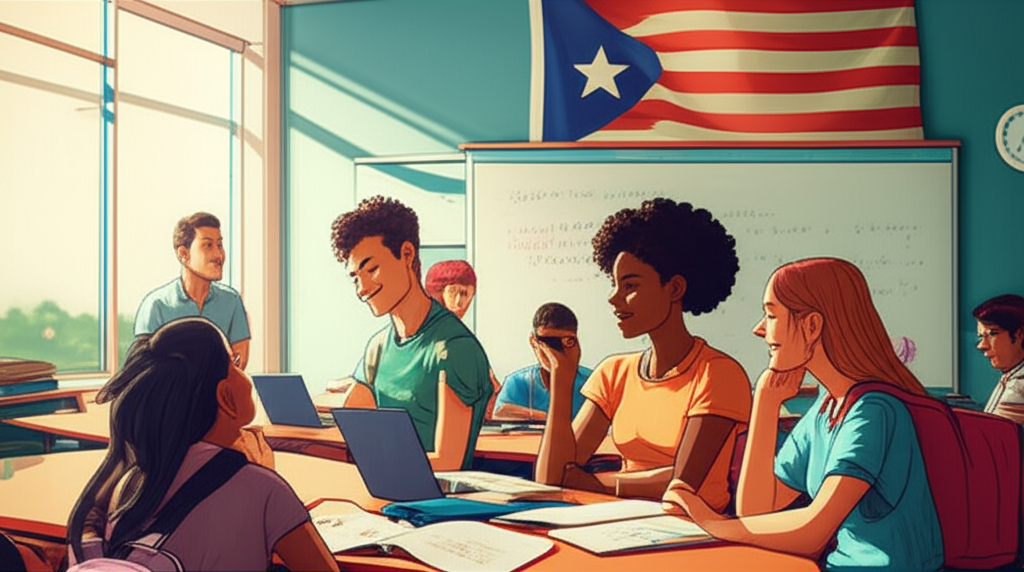
Puerto Rico high schools offer diverse educational pathways, from public institutions and private academies to specialized vocational and international schools. The “best” option depends on individual student needs, academic goals, and family priorities, considering factors like curriculum, campus environment, and extracurricular activities.
Finding the right high school in Puerto Rico can feel like a big task, but it doesn’t have to be overwhelming. Many families wonder where to start when looking at the different schools available across the island. This guide is here to simplify that process for you. We’ll break down the options, explain what makes each type of school unique, and help you identify the best fit for your student’s future success. Get ready to discover the educational landscape and feel confident in your choices.
Understanding Your Options: Types of High Schools in Puerto Rico

Puerto Rico’s educational system is rich and varied, offering several distinct types of high schools to cater to a wide range of student needs and aspirations. Understanding these categories is the first crucial step in making an informed decision. Each type of institution provides a different learning environment, curriculum focus, and set of opportunities.
Public High Schools
Public high schools in Puerto Rico are part of the Department of Education of Puerto Rico’s system. These schools are tuition-free and accessible to all residents. They offer a standard curriculum aligned with national educational standards, aiming to provide a comprehensive education for all students. While public schools are a vital part of the educational infrastructure, class sizes can sometimes be larger, and resources may vary depending on the school’s location and funding. However, many public institutions have dedicated teachers and staff committed to student success.
A key benefit of public schools is their accessibility and the diversity of their student bodies, offering students exposure to a wide range of backgrounds and perspectives. They often have established sports programs and extracurricular activities that are integral to the high school experience.
Private Schools (Academies)
Private schools, often referred to as academies, are independently operated and charge tuition fees. These institutions can offer more specialized programs, smaller class sizes, and a wider array of advanced courses or unique educational philosophies. Many private schools have strong academic reputations and may focus on specific areas like college preparation, religious education, or particular teaching methodologies. The tuition fees vary significantly, so it’s important to research the costs associated with each school.
These schools often pride themselves on their dedicated faculty, state-of-the-art facilities, and a more personalized approach to student development. They can be an excellent choice for families seeking a specific educational environment or a more intensive academic focus.
Charter and Magnet Schools
While less common than traditional public or private schools, Puerto Rico also has some charter and magnet school initiatives. Charter schools are publicly funded but operate independently, often with a specific mission or focus. Magnet schools are public schools that offer specialized programs or themes to attract students from across a district, aiming to foster diversity and provide unique educational opportunities. These schools can offer innovative approaches to learning and specialized curricula, providing exciting alternatives for students with particular interests.
Vocational and Technical High Schools
For students interested in pursuing specific career paths or trades, vocational and technical high schools offer specialized training alongside a core academic curriculum. These schools prepare students for direct entry into the workforce or for further education in a specific field. Programs can range from culinary arts and automotive technology to healthcare and information technology. These institutions are invaluable for students who have a clear idea of their future career interests and want hands-on experience.
International and Bilingual Schools
Puerto Rico is home to several international schools that often follow curricula from other countries, such as the American or British systems. These schools are ideal for expatriate families or for students who may plan to pursue higher education abroad. They typically offer a bilingual or multilingual education, with English as the primary language of instruction, but often with strong Spanish language components. These schools can be particularly attractive for their global perspective and college preparatory programs recognized internationally.
Key Factors to Consider When Choosing a High School
Selecting the right high school is a significant decision that impacts a student’s academic, social, and personal development. Beyond the type of school, several critical factors should be weighed to ensure the best fit for your child. These elements will help narrow down the options and focus on schools that align with your family’s values and your student’s unique needs.
Academic Programs and Curriculum
Evaluate the academic offerings of each school. Does the school provide Advanced Placement (AP) or International Baccalaureate (IB) programs for students seeking rigorous college-level coursework? Are there specialized programs in areas like STEM, arts, or humanities? Consider the curriculum’s alignment with your student’s learning style and future academic goals. A strong curriculum should challenge students while providing the necessary support for them to succeed.
Campus Culture and Environment
The overall atmosphere of a school is crucial. Is it a nurturing and supportive environment? Does it foster collaboration or competition? Consider the student-teacher ratio, as smaller ratios often mean more individualized attention. Visit the campus if possible, observe student interactions, and speak with current students, teachers, and administrators to get a feel for the school’s culture. A positive and inclusive environment can significantly enhance a student’s high school experience.
Extracurricular Activities and Opportunities
High school is more than just academics. Look at the range of extracurricular activities available, such as sports teams, clubs, arts programs (music, drama, visual arts), and community service opportunities. These activities help students develop leadership skills, discover new talents, and build friendships. A school that offers a diverse set of activities can help students find their passions and develop a well-rounded personality.
Location and Commute
The daily commute is a practical consideration. How far is the school from your home? What are the transportation options? A long or difficult commute can be draining for a student. While an ideal school might be further away, weigh the benefits against the logistical challenges. Sometimes, a slightly less perfect school that is conveniently located can be a more sustainable choice.
Cost and Financial Aid
For private schools, tuition and fees are a major factor. Understand the full cost of attendance, including tuition, uniforms, books, and any additional fees. Inquire about scholarships, financial aid programs, or payment plans that might be available. Ensure that the school’s cost is manageable for your family’s budget.
College and Career Preparedness
How well does the school prepare students for life after high school? Look into their college counseling services, including guidance on college applications, standardized testing, and career exploration. Do graduates typically attend reputable universities, both on the island and abroad? A school with a strong track record of college placement and career guidance can provide significant advantages.
Exploring Top High Schools in Puerto Rico: A Closer Look
While “best” is subjective and depends on individual needs, certain high schools in Puerto Rico consistently stand out for their academic rigor, diverse offerings, and strong community impact. Here, we highlight a few examples across different categories to give you a starting point for your research. It’s important to note that this is not an exhaustive list, and further investigation into specific schools is highly recommended.
Examples of Reputable Private Schools
Puerto Rico has a strong private school sector known for its college preparatory focus and diverse student bodies. These schools often offer advanced placement courses and a wide array of extracurriculars.
- Academia San Ignacio (San Juan): Known for its rigorous college preparatory program, often affiliated with Jesuit traditions, focusing on academic excellence and character development.
- Saint John’s School (San Juan): An international school offering an American-style curriculum, with a strong emphasis on college preparation and a diverse, multicultural student body.
- Robinson School (San Juan): A co-educational, college preparatory school that offers a comprehensive curriculum and a wide range of extracurricular activities, preparing students for success in higher education.
- Baldwin School of Puerto Rico (Bayamón): Offers a challenging academic program designed to prepare students for university admission, with a focus on developing critical thinking and leadership skills.
Notable Public High Schools
Public schools in Puerto Rico, managed by the Department of Education, serve the majority of students. While resources can vary, many public schools have strong community ties and dedicated educators.
For specific information on public high schools, it is advisable to consult the official website of the Department of Education of Puerto Rico (Departamento de Educación de Puerto Rico) as they oversee the system and can provide directories and information on schools by municipality.
Vocational and Technical Institutions
These schools provide hands-on training for specific careers.
- Instituto de Banca y Comercio (Various locations): While not exclusively high school level, some programs cater to post-secondary vocational training, and similar institutions offer pathways for high school students interested in business and technical fields.
- Technical and Vocational Schools (Escuelas Vocacionales y Técnicas): These are spread across the island and offer specialized training. Identifying the best one would require researching programs offered in specific regions.
International Baccalaureate (IB) World Schools
For a globally recognized curriculum, IB schools are excellent options.
- American Military Academy (Guaynabo): Offers an IB Diploma Programme alongside its college preparatory curriculum, preparing students for international universities.
- Caribbean School (Ponce): An accredited, co-educational, college preparatory school that also offers the IB Diploma Programme, serving students in the southern region.
How to Research and Visit Potential High Schools
Once you have a shortlist of schools, the next step is thorough research and, if possible, campus visits. This hands-on approach will give you the most accurate picture of what each school has to offer.
1. Online Research
Start by visiting the official websites of the schools you are interested in. Look for:
- Mission and vision statements
- Curriculum details and academic programs
- Admissions requirements and deadlines
- Tuition fees and financial aid information
- Faculty profiles and qualifications
- Extracurricular activity lists
- Accreditation status (important for private schools)
Utilize educational directories and review sites, but always cross-reference information with the school’s official sources. Look for news articles or official reports from the Department of Education of Puerto Rico for public school data.
2. Attend Open Houses and Information Sessions
Most schools host open houses or information sessions, especially for prospective students and their families. These events are invaluable for:
- Meeting administrators, teachers, and current students
- Getting a feel for the school’s atmosphere
- Asking specific questions about curriculum, student life, and admissions
- Viewing facilities such as classrooms, libraries, labs, and sports facilities
3. Schedule Campus Tours
If open houses don’t provide enough detail, request a personalized campus tour. This allows you to see the school in action during a typical school day. Pay attention to:
- Classroom environments
- Student engagement
- The overall upkeep and organization of the campus
- Safety and security measures
4. Speak with Current Families and Students
If possible, connect with families who currently have children attending the schools you are considering. Their insights can be incredibly valuable. Ask about their experiences, both positive and negative, regarding academics, social life, and school administration. Many schools can facilitate these connections.
5. Evaluate Admissions Processes
Understand the admissions requirements for each school. This might include entrance exams, interviews, previous academic records, and application essays. Some schools have competitive admissions, while others are more open. Knowing these requirements early will help you prepare your student and make realistic choices.
Making the Final Decision
After gathering all the necessary information, it’s time to synthesize your findings and make a decision. This process should be collaborative, involving your student as much as possible. Their input is vital for ensuring they feel comfortable and excited about their new school environment.
Involve Your Student
Your student’s feelings and preferences are paramount. Discuss the pros and cons of each school with them. What aspects are most important to them? Are they looking for a particular sport, club, or academic focus? Empowering them in this decision can lead to a more positive and successful high school experience.
Compare Key Features
Create a comparison chart to visually assess how each school stacks up against your priorities. This can help highlight strengths and weaknesses objectively.
| Factor | School A (Private) | School B (Public) | School C (International) |
|---|---|---|---|
| Academic Rigor (AP/IB) | Excellent | Good | Excellent |
| Extracurriculars | Wide Range | Standard Range | Good Range |
| Campus Culture | Nurturing & Competitive | Diverse & Community-Focused | Multicultural & Global |
| Tuition Cost | High | None | High |
| College Prep Support | Strong | Varies | Excellent |
| Location | Moderate Commute | Close Proximity | Long Commute |
Trust Your Instincts
While data and facts are important, don’t discount your gut feeling. A school that feels right for your family and student is often the best choice. Consider which environment will best support your student’s overall growth and well-being.
Prepare for the Transition
Once you’ve made a decision, work with the school to understand the enrollment process and any orientation programs. Helping your student prepare for the transition can make the start of high school smoother and more enjoyable.
Frequently Asked Questions About Puerto Rico High Schools
Here are some common questions families have when exploring high school options in Puerto Rico.
What is the difference between public and private high schools in Puerto Rico?
Public high schools are funded by the government and are tuition-free, accessible to all residents. Private schools are independently funded, charge tuition, and often offer specialized programs, smaller class sizes, or unique educational philosophies. Resources and facilities can also differ significantly between public and private institutions.
How do I find a list of accredited high schools in Puerto Rico?
For public schools, the Department of Education of Puerto Rico is the primary authority. For private schools, look for accreditation from recognized educational bodies. In Puerto Rico, common accreditations include those recognized by the U.S. Department of Education, such as Cognia (which accredits organizations like the Southern Association of Colleges and Schools – SACS) or specific international accreditations for international schools.
Are there specialized high schools for gifted students or students with specific learning needs in Puerto Rico?
While dedicated schools for gifted students or those with special needs are less common as distinct institutions, many private schools and some public schools offer advanced programs, honors tracks, or learning support services within their regular curriculum. It’s best to inquire directly with individual schools about their provisions for diverse learning needs.
What is the role of the Department of Education of Puerto Rico in high school selection?
The Department of Education oversees all public schools in Puerto Rico, setting curriculum standards, managing budgets, and overseeing educational policies. They are the main resource for information on public high school districts and school performance data. For private schools, their role is more regulatory, ensuring basic standards are met.
How important is the language of instruction when choosing a high school in Puerto Rico?
The language of instruction is very important, especially if you plan for your child to attend university abroad or if English proficiency is a goal. Many private and international schools conduct classes primarily in English, often with strong Spanish components. Public schools typically operate in Spanish, though English instruction may be available in some contexts. Consider your long-term goals for your student’s language proficiency.
What are the typical admission requirements for private high schools?
Admission requirements vary by school but often include submitting an application form, providing academic transcripts from previous schools, taking entrance examinations (in subjects like math and English), and participating in an interview. Some schools may also require letters of recommendation.
How can I assess the quality of teaching and academic programs at a school?
Look for schools with experienced and qualified faculty, often holding advanced degrees. Investigate their curriculum’s rigor, including the availability of AP, IB, or dual enrollment courses. High school graduation rates, college acceptance rates, and standardized test scores (if publicly available) can also be indicators, though they should be considered alongside other qualitative factors like campus culture and student engagement.
Conclusion
Navigating the landscape of high schools in Puerto Rico is a journey that requires careful consideration, thorough research, and active engagement. By understanding the different types of educational institutions available – from public schools serving the broader community to specialized private academies and international schools – you can begin to identify options that align with your student’s academic aspirations and personal growth. The “best” high school is not a one-size-fits-all designation; rather, it’s the one that provides the optimal environment for your child to thrive. Factors such as academic rigor, campus culture, extracurricular opportunities, and future preparedness all play a crucial role in this decision.
We encourage you to actively explore the schools that pique your interest, attend information sessions, schedule campus visits, and most importantly, involve your student in the process. Their perspective and comfort are paramount to a successful transition. By using the resources and steps outlined in this guide, you are well-equipped to make an informed choice that sets your student on a path to success. Remember, this is an investment in their future, and taking the time to find the right fit will undoubtedly yield rewarding results.