
Quick Summary: Recess offers significant physical, social, and cognitive benefits for students, promoting active play, peer interaction, and stress relief. However, potential cons like safety concerns, missed instructional time, and equity issues require careful planning and management by schools to maximize its advantages.
When we talk about the school day, one of the most anticipated breaks for students is recess. It’s that special time when the classroom doors swing open, and kids get a chance to run, play, and recharge. But what exactly happens during this vital period, and what are the real benefits and drawbacks for young learners? Understanding the pros and cons of recess is essential for educators, parents, and even students themselves to appreciate its role in education. We’ll dive deep into why recess matters, explore its advantages, acknowledge its challenges, and offer practical solutions to ensure every child gets the most out of their playtime. Get ready to discover how this seemingly simple break can have a profound impact on learning and development.
The Importance of Playtime in Education
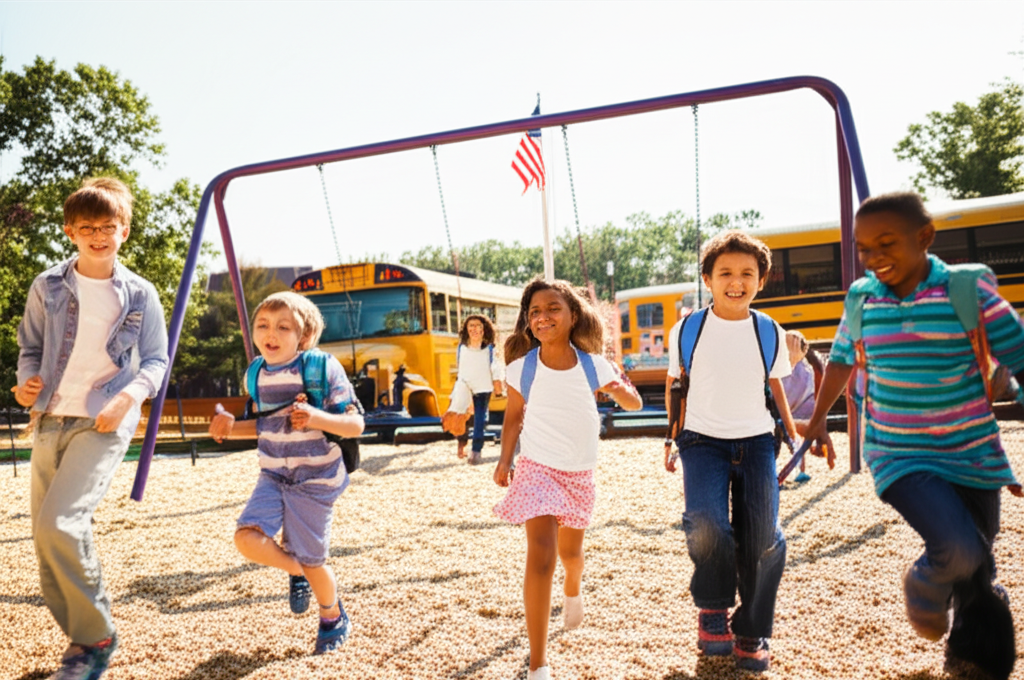
Play is not just a frivolous activity; it’s a fundamental aspect of child development. For students, particularly in the formative years, playtime, especially unstructured recess, serves as a crucial laboratory for learning. It’s where they test theories, negotiate social dynamics, and develop problem-solving skills in a hands-on, self-directed way. In the structured environment of a school, recess provides a much-needed counterbalance, allowing children to expend energy, reduce stress, and return to their studies with a refreshed mind. The U.S. Department of Health and Human Services emphasizes the importance of physical activity for children, and recess is a primary avenue for this during the school day.
The modern educational landscape often faces pressure to maximize instructional time, leading some schools to reduce or even eliminate recess. This trend, however, overlooks the significant cognitive and emotional benefits that play provides. A well-structured recess can actually enhance a child’s ability to focus and learn when they are back in the classroom. It’s a delicate balance, and recognizing the true value of this break is the first step toward ensuring it remains a vital part of the school experience.
Pros and Cons of Recess: A Detailed Look
Every aspect of education comes with its own set of advantages and disadvantages, and recess is no exception. While the benefits are widely celebrated, it’s important to also address the potential challenges to implement recess effectively. Let’s break down the pros and cons of recess in detail.
The Advantages of Recess
Recess offers a wealth of benefits that extend far beyond simple fun. These advantages touch upon a child’s physical health, social development, cognitive function, and emotional well-being.
- Physical Health Benefits: This is perhaps the most obvious advantage. Recess provides children with an opportunity to engage in physical activity, which is vital for their growing bodies. Running, jumping, climbing, and playing games all contribute to cardiovascular health, muscle development, and maintaining a healthy weight. According to the Centers for Disease Control and Prevention (CDC), regular physical activity in children can help prevent obesity and reduce the risk of chronic diseases later in life.
- Social and Emotional Development: During recess, children learn invaluable social skills. They interact with peers from different backgrounds, negotiate rules for games, resolve conflicts, share toys, and learn empathy. These unstructured social interactions are crucial for developing cooperation, communication, and leadership skills that are not easily taught in a formal classroom setting. Children also learn to manage their emotions, cope with frustration, and build resilience.
- Cognitive Benefits and Academic Performance: Contrary to the belief that recess takes away from learning, it can actually enhance it. Physical activity during recess increases blood flow to the brain, which can improve concentration, memory, and problem-solving abilities. A study published by the American Academy of Pediatrics highlighted that children who have recess tend to be more attentive and less disruptive in class. It allows their brains to rest and process information, making them more receptive to learning upon returning to their desks.
- Stress Reduction and Mental Well-being: School can be a demanding environment for children. Recess provides a much-needed break from academic pressures, allowing them to de-stress and relax. Unstructured play helps children express themselves creatively and can be a powerful outlet for pent-up energy or anxiety. This mental reset is crucial for maintaining a positive attitude towards school and learning.
- Creativity and Imagination: Without rigid instructions, children are free to invent their own games, create stories, and explore their imagination. This open-ended play fosters creativity and innovation, skills that are increasingly important in the 21st century.
The Disadvantages and Challenges of Recess
While the benefits are substantial, schools and parents must also consider the potential downsides and challenges associated with recess.
- Safety Concerns and Injuries: The most frequently cited concern is the risk of physical injuries. Falls, collisions, and improper use of playground equipment can lead to sprains, fractures, and other injuries. Ensuring adequate supervision and maintaining safe playground environments are paramount.
- Missed Instructional Time: In schools facing pressure to improve test scores, recess is sometimes seen as time taken away from valuable academic instruction. This perspective can lead to its reduction or elimination, which, as discussed, can be counterproductive to overall learning.
- Equity and Access Issues: Not all students have equal access to recess or benefit from it in the same way. Students with disabilities might require modifications to participate. Some schools might have limited or unsafe playground areas, impacting the quality of recess. Furthermore, socioeconomic factors can influence children’s clothing or preparedness for outdoor play.
- Behavioral Issues During Recess: Without proper supervision and clear expectations, recess can sometimes lead to conflicts, bullying, or disruptive behavior that carries over into the classroom.
- Weather Limitations: Inclement weather can force schools to cancel recess, meaning students miss out on their physical and mental break. While indoor recess options exist, they may not offer the same benefits as outdoor play.
Maximizing the Benefits of Recess
To ensure that the advantages of recess significantly outweigh the disadvantages, schools and educators can implement several strategies. The goal is to create a safe, inclusive, and beneficial playtime experience for all students.
Creating a Safe and Inclusive Recess Environment
Safety should be the top priority. This involves:
- Adequate Supervision: Having enough trained adults present to monitor children and intervene when necessary.
- Safe Playground Equipment: Regularly inspecting and maintaining playground structures to prevent hazards.
- Clear Rules and Expectations: Establishing and communicating simple rules for behavior during recess.
- Inclusive Practices: Ensuring that students with disabilities have opportunities to participate and adapt activities as needed. This might involve adaptive equipment or modified games.
Integrating Recess with Learning Objectives
Recess doesn’t have to be entirely separate from learning. Educators can:
- Promote Creative Play: Provide simple props or encourage imaginative games.
- Observe Social Dynamics: Use observations from recess to inform classroom discussions about teamwork and conflict resolution.
- Connect to Curriculum: Sometimes, a simple science observation about nature during recess can spark classroom curiosity.
Scheduling and Structuring Recess
The timing and structure of recess can also impact its effectiveness:
- Regular Breaks: Offering recess at consistent times each day.
- Sufficient Duration: Ensuring recess is long enough to allow children to truly unwind and engage. The National Association for Sport and Physical Education (now SHAPE America) recommends at least 20 minutes of recess per day.
- Indoor Recess Plans: Having well-organized indoor recess activities ready for bad weather days.
Recess vs. Structured Play: Understanding the Difference
It’s important to distinguish between unstructured recess and structured physical education or organized games. Both have their merits, but they serve different purposes.
Unstructured Recess: This is free play where children decide what they want to do, who they want to play with, and how they want to play. It fosters autonomy, creativity, and self-regulation. This is the type of play most often discussed in terms of its significant cognitive and social benefits.
Structured Play/Physical Education: These activities are typically led by an adult with specific rules and objectives, like a sports lesson or a directed game. They are excellent for teaching specific skills, teamwork within a defined structure, and physical fitness. However, they may not offer the same level of self-directed learning and creative exploration as unstructured recess.
Many schools find a balance, offering a robust period of unstructured recess alongside a dedicated physical education class. This approach ensures children receive a variety of developmental benefits.
Data and Research on Recess Effectiveness
Numerous studies underscore the positive impact of recess. Research consistently shows that children who have regular recess breaks exhibit:
- Improved classroom behavior
- Better academic performance
- Higher levels of physical fitness
- Enhanced social skills
For example, a comprehensive review by the Robert Wood Johnson Foundation highlighted that schools with strong physical education and recess programs tend to have students who are more engaged and perform better academically. The American Academy of Pediatrics has also published policy statements advocating for daily recess for all students, recognizing its integral role in a child’s development and education.
Conversely, schools that have reduced or eliminated recess often report an increase in behavioral problems and a decrease in student engagement. This reinforces the idea that recess is not a luxury, but a necessity for a well-rounded education.
A Comparison of Recess Policies Across Schools
Recess policies can vary significantly from one school district to another, and even between individual schools within the same district. This variability can lead to disparities in the benefits children receive.
| Factor | School A (Policy: Daily 30 min recess) | School B (Policy: Recess on M/W/F, 20 min) | School C (Policy: Recess replaced with ‘brain breaks’) |
|---|---|---|---|
| Physical Activity | High | Moderate | Low (indoors, short bursts) |
| Social Interaction | Rich, unstructured | Moderate, less consistent | Limited, often teacher-mediated |
| Cognitive Boost | Significant | Moderate | Minimal |
| Stress Relief | Effective | Partial | Limited |
| Instructional Time Lost | Minimal (benefit outweighs loss) | Slightly higher concern | None, but potential learning loss due to fatigue |
| Safety Risk | Managed through supervision | Managed through supervision | Lower (indoor environment) |
This table illustrates how different policy choices can directly influence the outcomes of recess. Schools that prioritize daily, adequate recess time generally see more pronounced positive effects on their students.
Frequently Asked Questions About Recess
Q1: How much recess time do children need each day?
A1: Experts like those at SHAPE America recommend at least 20 minutes of unstructured recess per day. Many educators find that 30 minutes is even more beneficial.
Q2: Can recess really help with academic performance?
A2: Yes! Physical activity during recess increases blood flow to the brain, improving focus, memory, and problem-solving skills. Children often return to class more attentive and ready to learn.
Q3: What if a school doesn’t have a playground?
A3: Schools can still provide recess by using open areas like fields or gymnasiums. Even indoor spaces can be adapted for movement and play during inclement weather, though outdoor play is generally preferred.
Q4: How can schools prevent bullying during recess?
A4: Adequate adult supervision, clear behavioral expectations, and teaching conflict resolution skills are key. Some schools implement peer mediation programs or have designated “calm down” zones.
Q5: Should recess be used for teaching?
A5: Recess is primarily for unstructured play and social interaction. While teachers can observe and guide, it should not be turned into a formal instructional period, as this negates its stress-relieving and developmental benefits.
Q6: What about students with special needs during recess?
A6: It’s crucial to ensure inclusivity. This might involve providing adaptive equipment, modifying games, or having a quiet space available for students who need a break from high-energy activities, while still allowing them to be part of the recess community.
Conclusion
Recess is far more than just a break from lessons; it’s an integral part of a child’s educational journey and overall development. The pros and cons of recess highlight its significant potential to foster physical health, crucial social skills, emotional resilience, and cognitive function. While challenges like safety, equity, and the perceived loss of instructional time are valid concerns, they are not insurmountable. By implementing thoughtful policies, ensuring adequate supervision, prioritizing safe and inclusive environments, and recognizing the profound benefits of unstructured play, schools can effectively harness the power of recess.
As we’ve explored, the data and expert recommendations strongly support the inclusion of daily recess in the school day. It’s an investment in our students’ well-being and their capacity to learn. By understanding and advocating for the importance of playtime, parents, educators, and students can work together to ensure that recess remains a vibrant and essential component of the learning experience, helping children grow into healthier, happier, and more capable individuals.
