
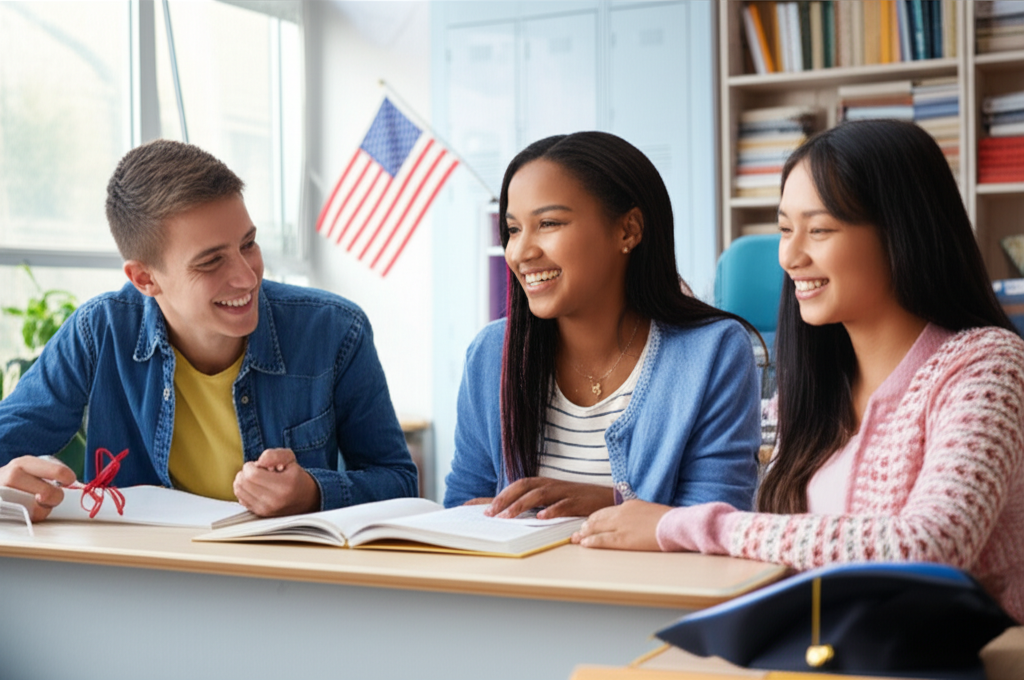
Self-contained special education classrooms offer a structured, supportive environment for students with diverse learning needs. Effective strategies focus on individualized instruction, positive behavior support, and collaboration to foster academic and social growth.
Navigating the world of special education can sometimes feel like trying to decipher a complex map. For many educators, parents, and even students, understanding the best ways to create a supportive and effective learning space is paramount. One such space, the self-contained special education classroom, is designed to meet the unique needs of students who benefit from a more focused and individualized approach. It’s a classroom where tailored instruction and a nurturing environment come together to help every student shine. If you’re looking for clear, actionable advice on how to make these classrooms thrive, you’ve come to the right place. We’ll explore practical tips and strategies that make a real difference, ensuring that this specialized learning setting is a place of success and growth for all.
Understanding the Self-Contained Special Education Classroom
At its core, a self-contained special education classroom is a learning environment where a group of students with similar educational needs are primarily taught by a dedicated special education teacher. Unlike a general education classroom where students with diverse learning profiles are integrated, a self-contained setting pulls together students who may share specific challenges, such as significant learning disabilities, developmental delays, emotional or behavioral disorders, or autism spectrum disorder. The primary goal is to provide specialized instruction and support in a setting that is less overwhelming and more conducive to their learning style.
This type of classroom is characterized by a smaller student-to-teacher ratio, allowing for more individualized attention. The curriculum and teaching methods are specifically adapted to meet the Individualized Education Program (IEP) goals of each student. This means that the pace of instruction, the methods used, and the assessment strategies are all tailored to ensure that students can access the material and make meaningful progress. It’s a space where the teacher becomes a highly attuned observer and facilitator of learning, constantly adjusting to meet the evolving needs of their students.
The benefits of such a setting often include:
- Increased Individualized Attention: With fewer students, teachers can dedicate more one-on-one time to address specific learning gaps and strengths.
- Tailored Instruction: Curriculum and teaching strategies are directly aligned with the unique IEP goals of each student.
- Structured Environment: Predictable routines and clear expectations can reduce anxiety and improve focus for many students.
- Social-Emotional Support: Teachers are equipped to provide targeted support for social skills development and emotional regulation.
- Reduced Overstimulation: The classroom environment can be designed to minimize sensory distractions, which is crucial for some learners.
However, it’s also important to acknowledge that the effectiveness of a self-contained classroom hinges on the quality of its implementation. A truly successful program requires dedicated resources, highly skilled educators, and a commitment to fostering an inclusive spirit, even within a specialized setting.
Best Classroom Tips for a Thriving Self-Contained Special Education Classroom
Creating a successful self-contained special education classroom is an art and a science. It requires a deep understanding of your students’ needs, a creative approach to instruction, and a commitment to building a positive and supportive community. Here are some of the best classroom tips to help you foster an environment where learning flourishes:
1. Embrace Individualized Instruction
This is the cornerstone of any self-contained special education classroom. Every student has a unique IEP, and your teaching must reflect this. This means moving beyond a one-size-fits-all approach and embracing differentiated instruction in its purest form.
- Break Down Tasks: Complex assignments should be broken down into smaller, manageable steps. Provide clear instructions for each step and offer support as needed.
- Varied Modalities: Present information in multiple ways – visually, auditorily, kinesthetically, and through hands-on activities. Not all students learn best from lectures or worksheets.
- Flexible Grouping: While it’s a self-contained classroom, you can still use flexible grouping strategies. Group students based on specific skill needs for targeted instruction, or by interest for collaborative projects.
- Technology Integration: Utilize assistive technology and educational apps that can support individual learning styles and needs. Tools like text-to-speech software, graphic organizers, or interactive whiteboards can be invaluable.
For example, if you’re teaching fractions, some students might benefit from using physical manipulatives (like fraction tiles), others from visual aids on a tablet, and still others from a worksheet with clear, step-by-step examples. The key is to offer choices and support that align with each student’s IEP.
2. Implement Positive Behavior Support (PBS)
Behavioral challenges can be a significant concern in any classroom, and especially in special education settings where students may struggle with self-regulation or communication. PBS is a proactive approach that focuses on teaching and reinforcing positive behaviors rather than solely reacting to negative ones.
- Clear Expectations: Establish a few, simple, and positively stated rules that are consistently enforced. For instance, instead of “Don’t talk out of turn,” try “Raise your hand to speak.”
- Visual Supports: Use visual schedules, behavior charts, and social stories to help students understand routines, expectations, and appropriate behaviors.
- Reinforcement Systems: Implement a system of positive reinforcement. This could be verbal praise, a token economy, or special privileges for demonstrating desired behaviors. Make sure rewards are meaningful to the students.
- Teach Social-Emotional Skills: Explicitly teach skills like emotional regulation, problem-solving, conflict resolution, and communication. Role-playing and practicing these skills in a safe environment are crucial.
- Functional Behavior Assessments (FBAs): For students with significant behavioral challenges, conduct FBAs to understand the function or purpose of the behavior (e.g., to gain attention, escape a task). This helps in developing effective intervention strategies.
A well-structured PBS plan can significantly reduce disruptive behaviors and create a more focused and respectful learning environment for everyone.
3. Create a Predictable and Organized Classroom Environment
For many students with special needs, predictability and organization are not just helpful; they are essential for feeling safe and focused. A well-organized classroom can significantly reduce anxiety and improve a student’s ability to engage with learning.
- Visual Schedules: A daily visual schedule displayed prominently allows students to see what activities are coming next. This reduces uncertainty and anxiety.
- Defined Zones: Designate specific areas for different activities (e.g., a quiet reading corner, a work station, a small group area, a sensory break space). This helps students understand where they should be and what they should be doing.
- Organized Materials: Ensure that learning materials are clearly labeled and easily accessible. Use bins, shelves, and organizers to keep everything in order. This also teaches students valuable organizational skills.
- Consistent Routines: Establish clear and consistent routines for transitions, arrival, dismissal, and breaks. Predictable transitions are key to minimizing disruptions.
Imagine a student who thrives on knowing what comes next. If they can see “Math” followed by “Reading” on their visual schedule, they are less likely to be anxious about the unknown. This predictability extends to the physical space, where knowing where to find their math manipulatives or their favorite book can make a world of difference.
Maximizing Learning in the Self-Contained Special Education Classroom
Beyond the fundamental strategies, several other approaches can elevate the learning experience within a self-contained special education classroom. These focus on enriching the curriculum, fostering engagement, and ensuring that the specialized setting truly serves its purpose.
4. Foster Collaboration and Communication
While the teacher is central, a truly effective classroom involves collaboration. This includes working with support staff, specialists, and most importantly, the students themselves and their families.
- Paraprofessional Support: If you have a paraprofessional or teaching assistant, clearly define roles and responsibilities. Ensure they are trained and equipped to support your instructional goals and behavior management strategies.
- Speech-Language Pathologists (SLPs) and Occupational Therapists (OTs): Integrate recommendations from SLPs and OTs into your daily activities. Collaborate with them to ensure a cohesive approach to addressing students’ communication and sensory needs.
- Parent Communication: Maintain open and consistent communication with parents or guardians. Share progress, discuss challenges, and seek their insights. They are invaluable partners in a student’s education.
- Student Voice: Whenever possible, involve students in setting goals, choosing activities, or providing feedback. Empowering them fosters ownership and motivation.
For instance, if an SLP recommends specific communication strategies for a student, working with them to implement these during lessons can accelerate progress. Similarly, sharing a student’s successes with parents can build a strong home-school connection.
5. Integrate Sensory Strategies and Breaks
Many students in self-contained special education classrooms have sensory processing differences. Integrating sensory strategies and planned breaks can dramatically improve their ability to focus and learn.
- Sensory Tools: Provide access to a variety of sensory tools such as fidget toys, weighted blankets, noise-canceling headphones, or therapy balls.
- Sensory Breaks: Schedule regular sensory breaks throughout the day. These can be short, structured activities like jumping jacks, deep breathing exercises, or a few minutes in a designated calming corner.
- Movement Opportunities: Incorporate movement into lessons whenever possible. Standing desks, wiggle seats, or opportunities to move around the classroom can help students stay engaged.
- Awareness of Sensory Needs: Be mindful of environmental factors like lighting, noise levels, and visual clutter. Adjust as needed to create a more supportive sensory environment.
A student who is feeling overwhelmed by sensory input might benefit from a five-minute break using a weighted lap pad, allowing them to return to their work with a calmer nervous system. This isn’t a reward; it’s a necessary tool for regulation.
6. Make Learning Engaging and Relevant
Engagement is key to learning, especially for students who may find traditional academic tasks challenging. Making learning fun, relevant, and interactive can spark curiosity and improve retention.
- Interest-Based Learning: Incorporate students’ interests into lessons. If a student loves dinosaurs, use dinosaurs to teach math, reading, or science concepts.
- Hands-On Activities: Prioritize hands-on experiences, experiments, and projects over passive learning. This is particularly effective for kinesthetic learners.
- Gamification: Turn learning into games! Educational board games, digital learning games, or even simple reward-based challenges can make practice more enjoyable.
- Real-World Connections: Help students see how what they are learning applies to the real world. This can increase motivation and understanding of the purpose of education.
For example, instead of just practicing addition with numbers, students could solve problems like, “If you have 5 apples and get 3 more, how many do you have?” using real or plastic apples. This makes the math tangible and understandable.
Essential Resources for the Self-Contained Special Education Classroom
Equipping your classroom with the right resources can make a significant difference in your ability to implement effective strategies. Here’s a look at some essential categories of resources:
| Resource Category | Examples | Purpose |
|---|---|---|
| Instructional Materials | Manipulatives (math blocks, fraction tiles), graphic organizers, leveled readers, picture dictionaries, visual aids (flashcards, charts) | To support differentiated instruction, make abstract concepts concrete, and aid comprehension. |
| Behavioral Supports | Visual schedules, token boards, social stories, timers, calming corner items (beanbag chair, sensory bottles) | To promote positive behavior, teach self-regulation, and create a predictable environment. |
| Assistive Technology | Text-to-speech software, speech-generating devices, adaptive keyboards, specialized apps (e.g., for communication or organization) | To overcome learning barriers and provide access to curriculum and communication. |
| Sensory Tools | Fidget toys, weighted lap pads, noise-canceling headphones, wiggle seats, stress balls | To help students regulate their sensory input, improve focus, and reduce anxiety. |
These resources are not just “nice-to-haves”; they are often critical tools for enabling students to access their education and thrive. For more information on evidence-based practices in special education, the U.S. Department of Education’s Office of Special Education Programs (OSEP) website is an excellent resource, offering research, policy information, and links to various initiatives. You can explore their work at OSEP.gov.
Frequently Asked Questions (FAQs)
Q1: What is the main difference between a self-contained classroom and an inclusive classroom?
A: In a self-contained classroom, students with similar special needs are primarily taught together by a special education teacher. In an inclusive classroom, students with and without disabilities learn together in a general education setting, with support provided as needed.
Q2: How can I manage transitions effectively in a self-contained classroom?
A: Use visual schedules, give clear verbal warnings before transitions, establish consistent routines, and provide a brief, structured activity to help students shift their focus.
Q3: Is it important for students in a self-contained classroom to interact with their peers in general education?
A: Yes, whenever appropriate and beneficial for the student’s IEP goals, opportunities for interaction with general education peers through co-taught lessons, lunch, or extracurricular activities can be highly valuable for social development.
Q4: How do I differentiate instruction for a small group of students with diverse needs?
A: Focus on varying the content (what you teach), process (how you teach it), and product (how students demonstrate learning). Use flexible grouping based on skill needs for specific activities.
Q5: What role does positive reinforcement play?
A: Positive reinforcement is crucial for encouraging desired behaviors and academic effort. It helps students understand what is expected and motivates them to repeat those actions, fostering a more positive learning environment.
Q6: How can I involve parents effectively?
A: Regular communication through emails, phone calls, or meetings is key. Share progress updates, discuss challenges, and ask for their insights into their child’s strengths and needs. Consider a communication log or app.
Q7: What if a student has sensory overload?
A: Be prepared to offer planned sensory breaks, access to sensory tools, or a designated quiet space. Understanding the student’s triggers and providing proactive strategies is essential for their regulation and ability to learn.
Conclusion
Establishing and maintaining a thriving self-contained special education classroom is a dynamic and rewarding endeavor. It requires dedication, flexibility, and a deep commitment to understanding and meeting the unique needs of each student. By implementing strategies focused on individualized instruction, positive behavior support, environmental organization, robust collaboration, and engaging learning experiences, educators can create a sanctuary of learning and growth. Remember, the goal is not just to contain students, but to provide them with the specialized support, tailored instruction, and nurturing environment they need to unlock their full potential. With the right tools, techniques, and a compassionate approach, the self-contained special education classroom can be a powerful catalyst for academic success, social-emotional development, and lasting confidence for every student it serves.
